
studio chahar
Gouron Community Trail
Gouron, Qeshm Island, Iran. 2024 to present. Landscape.
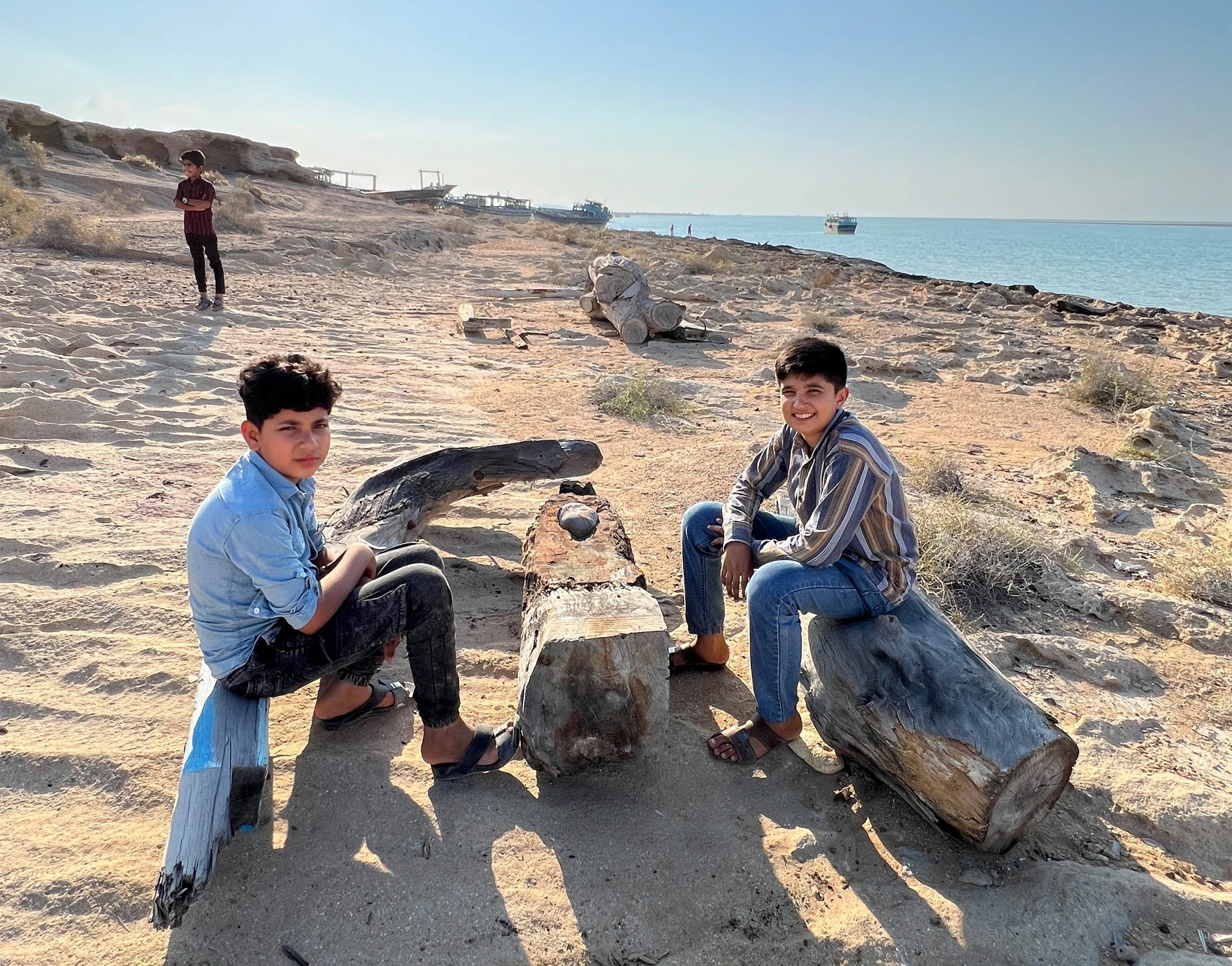
The Gouron Museum Community Trail brings the endangered heritage of wooden boatbuilding into the everyday landscape of Qeshm Island, Iran. Developed by Studio Chahar in collaboration with the Gouron Rural Cooperative, the project reuses fragments of retired wooden boats as seating, gathering places, and interpretive stops within the Gouron Open-Air Museum.
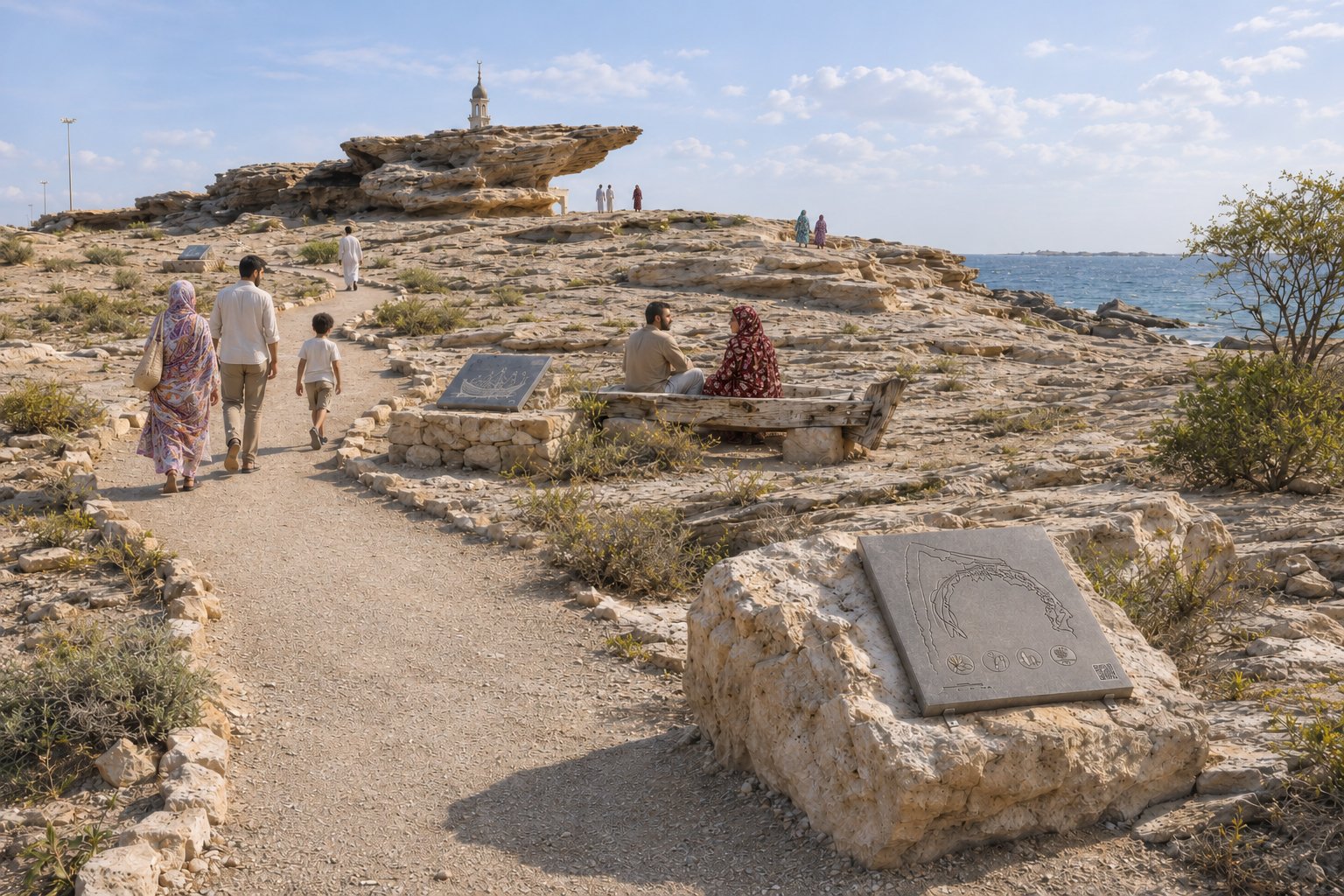
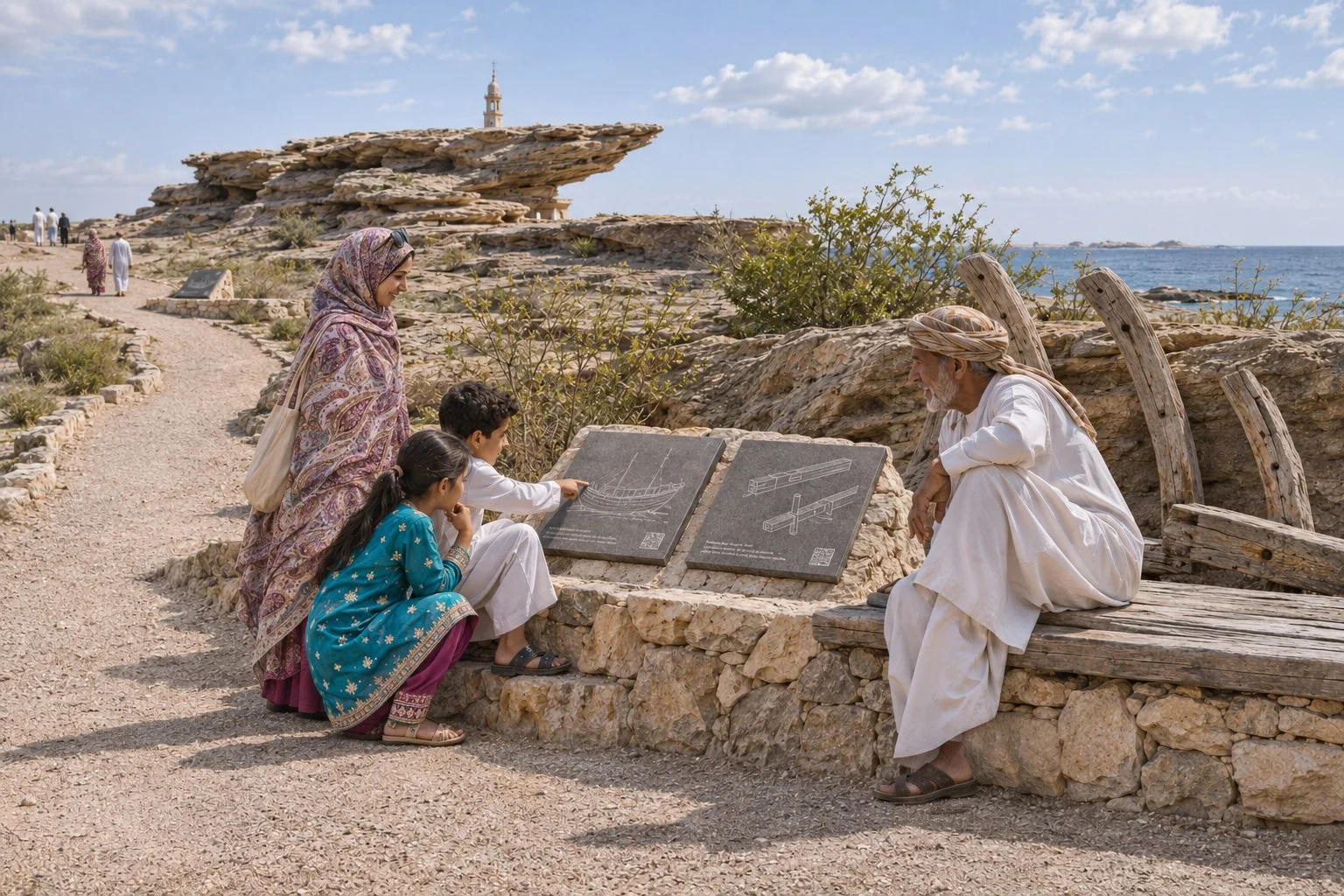
These pieces offer visitors a direct encounter with the materials, construction techniques, and maritime traditions that have shaped life along the island’s coast. The project began with a three-day community workshop, bringing residents, craftspeople, women, and children into the process of selecting, moving, and arranging boat fragments along the trail. Together, participants identified places to pause, meet, and learn, using materials gathered from the surrounding shore.
The resulting installations retain the shapes and traces of their former use, allowing the boats to remain part of village life. Reuse becomes both a practical way to build with limited resources and a means of passing knowledge between generations.
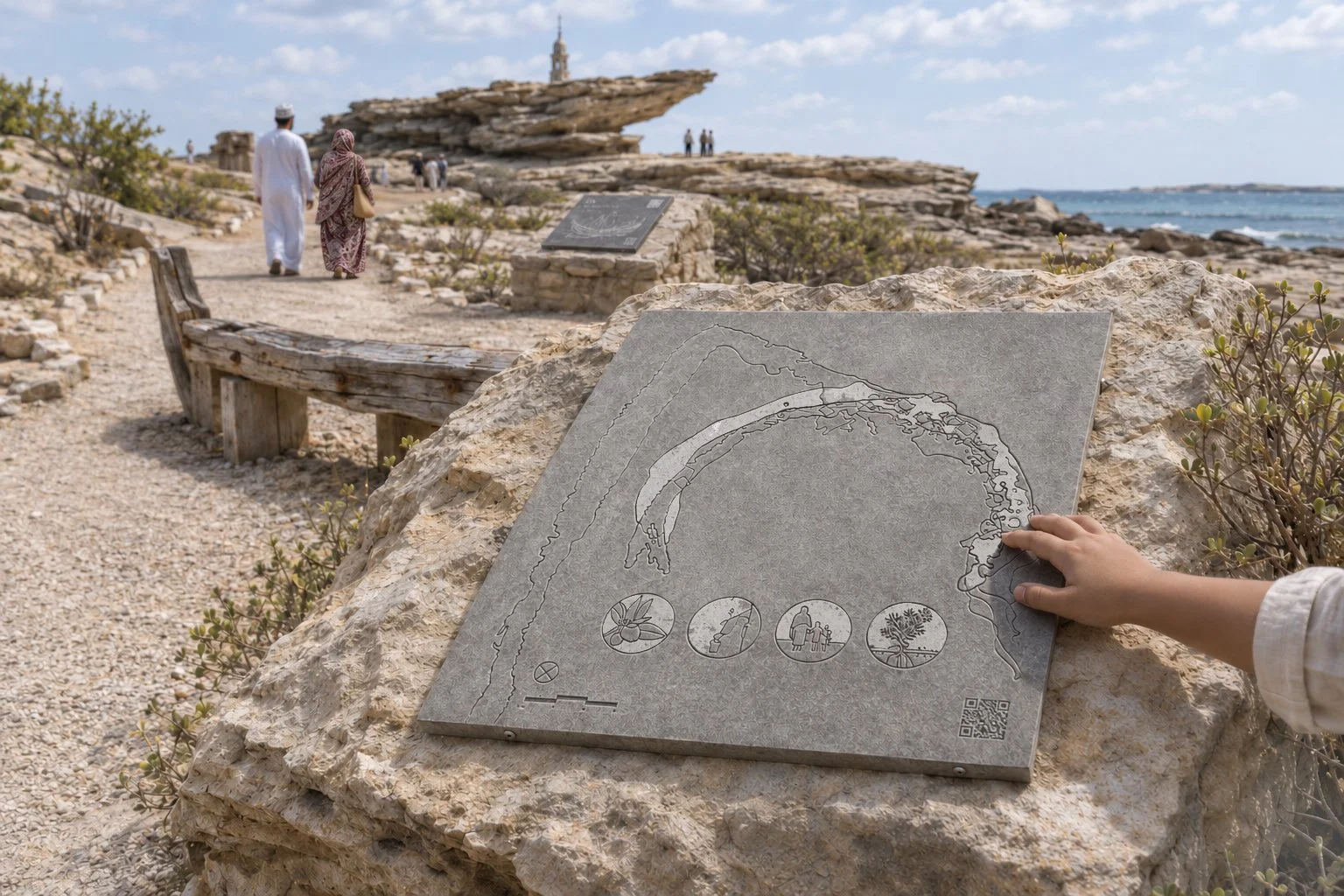
With support from Ammodo Architecture, the ongoing phase adds carved stone panels presenting drawings, maps, and stories of traditional vessels, historic maritime connections, and the nearby Hara mangrove ecosystem. QR codes will connect the physical trail to further documentation of boats and their construction. War and interrupted access to the site have led the team to relocate production to Tehran, where the panels will first be presented in workshop and gallery settings before their eventual installation in Gouron. This approach allows the research, fabrication, and public exchange to continue while the trail’s next stage on site remains pending.
Credits