studio chahar
Sarzurzuma at Niavaran
Niavaran Cultural Center, Tehran, Iran. March 2025. Exhibition.
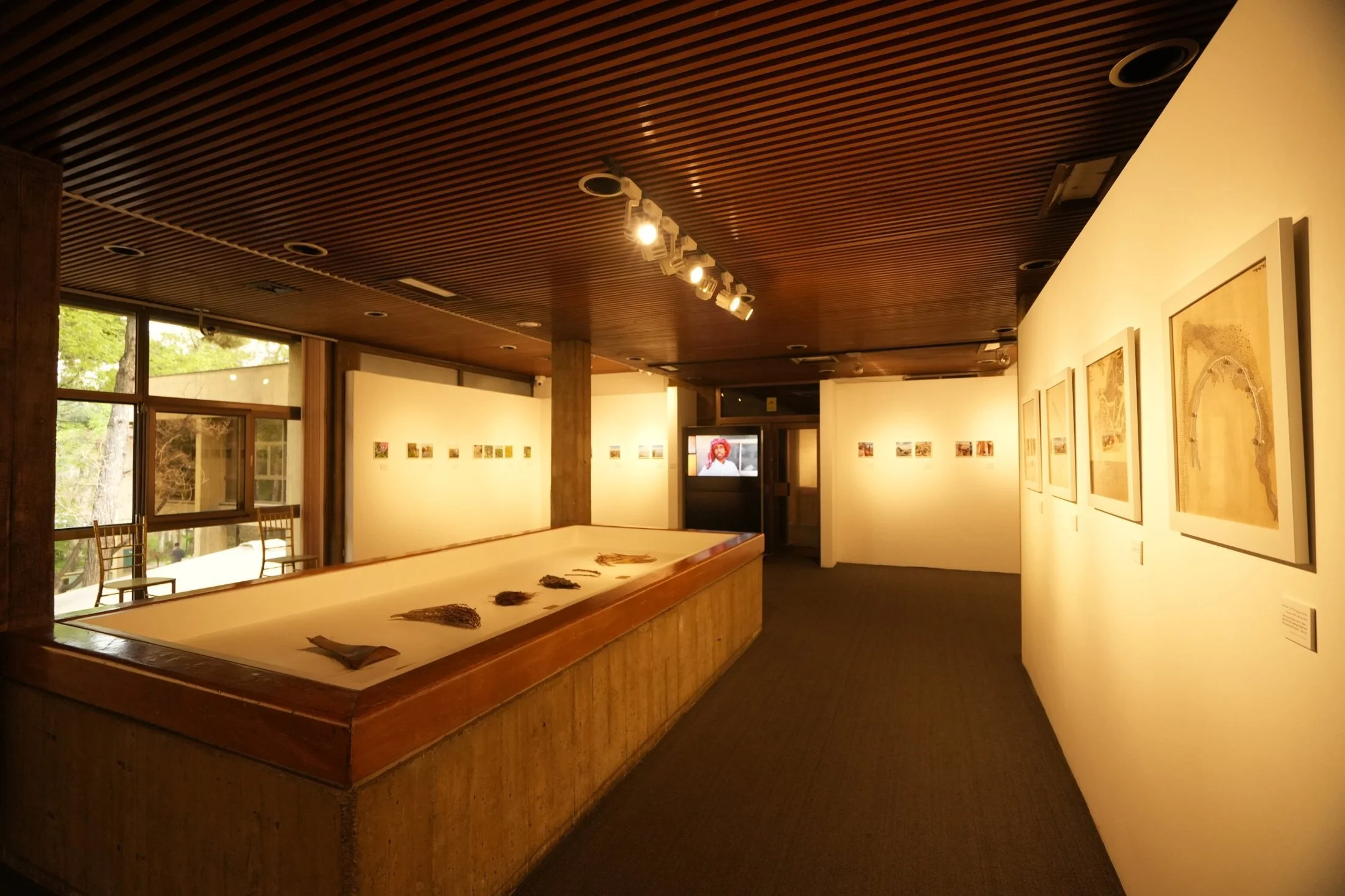
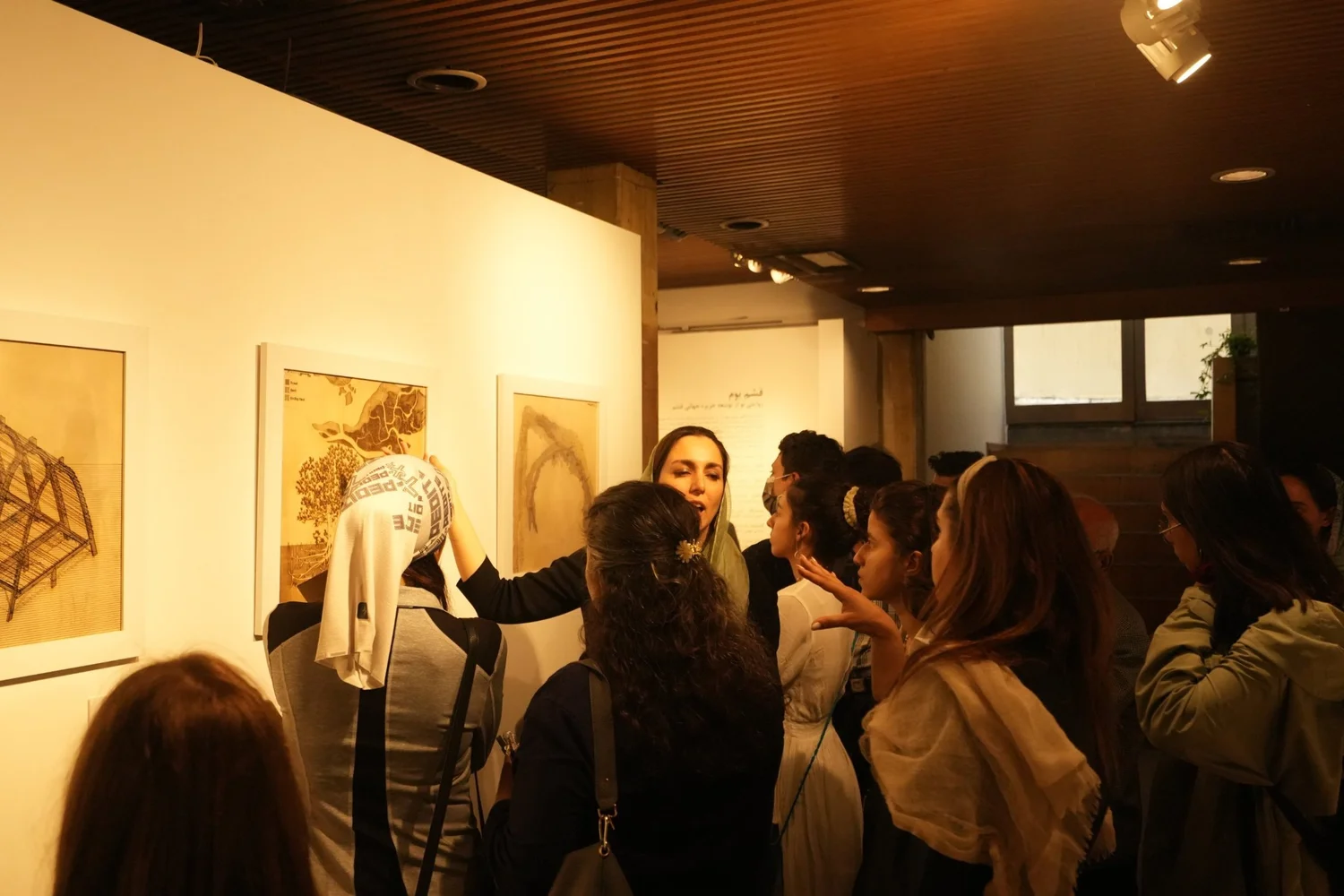
Sarzurzuma: Architecture, Community, Environmental Stewardship tells the story of a narrow reef near the village of Gouron on Qeshm Island, within the Hara Biosphere Reserve. In the local dialect, Sarzurzuma is the meeting point of waves from different directions and the balance they create. The formation attenuates waves, stabilizes sand and supports the growth of mangrove (Hara) trees, whose expansive roots hold the soil and protect the shore from storms. The project began in 2019 as a collaboration between the Gouron Rural Cooperative and Studio Chahar to design ecotourism lodges. After conversations with local people and growing concern about coastal erosion, it turned toward ecological restoration, blending traditional planting techniques with contemporary environmental knowledge.
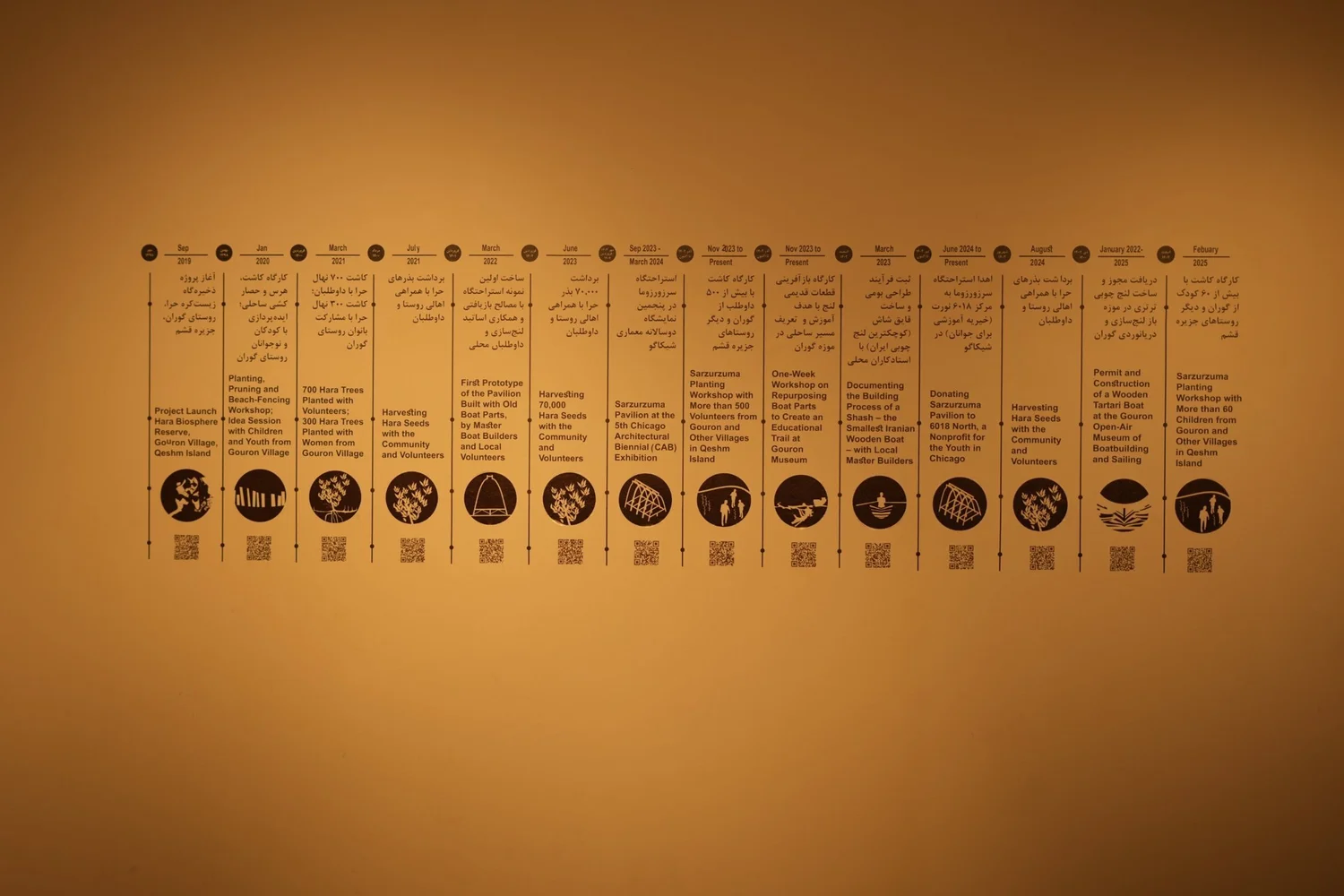
Early efforts used fencing and biodegradable sacks to hold back erosion, but planting seedlings and pruning damaged trees proved most effective. More than 80,000 mangrove trees have since been planted with villagers (children, youth and women) and visiting volunteers in more than ten collective workshops. Seeds are collected in summer, nurtured at home and planted in winter, so the process revived the local ecosystem and became a platform for education, awareness and indigenous knowledge, and other villages have begun to adopt it.
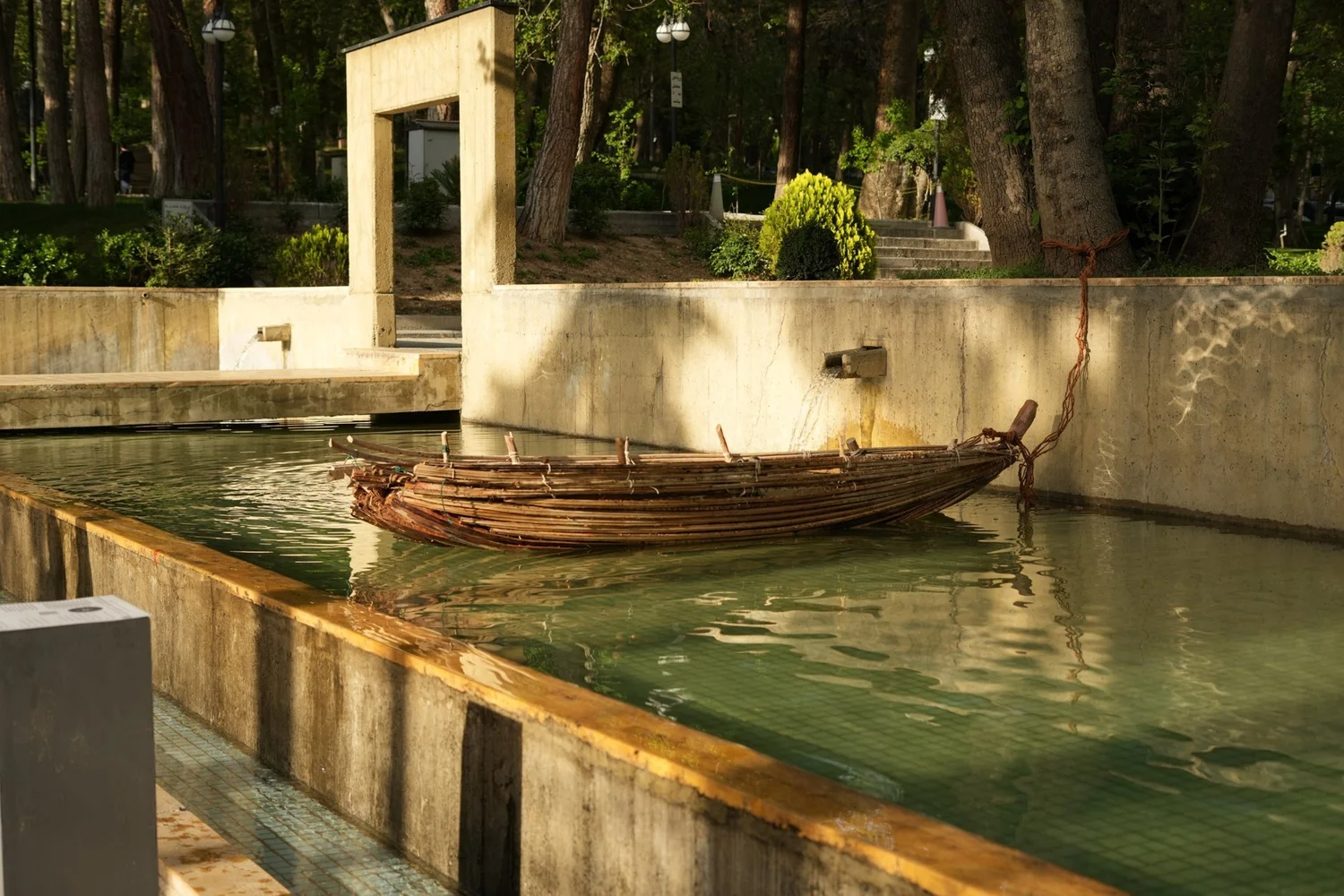
The second phase brought architecture back in. Visitor lodges were designed from salvaged parts of traditional wooden boats, drawing on boatbuilding craft that UNESCO lists as Intangible Cultural Heritage in Need of Urgent Safeguarding. One pavilion was built in Gouron with master boatbuilders and now serves as an ecotourism and educational space. A second version was built in 2023 for the Fifth Chicago Architecture Biennial with boatbuilders from Maine, USA, and was donated afterwards to a youth nonprofit in Chicago.
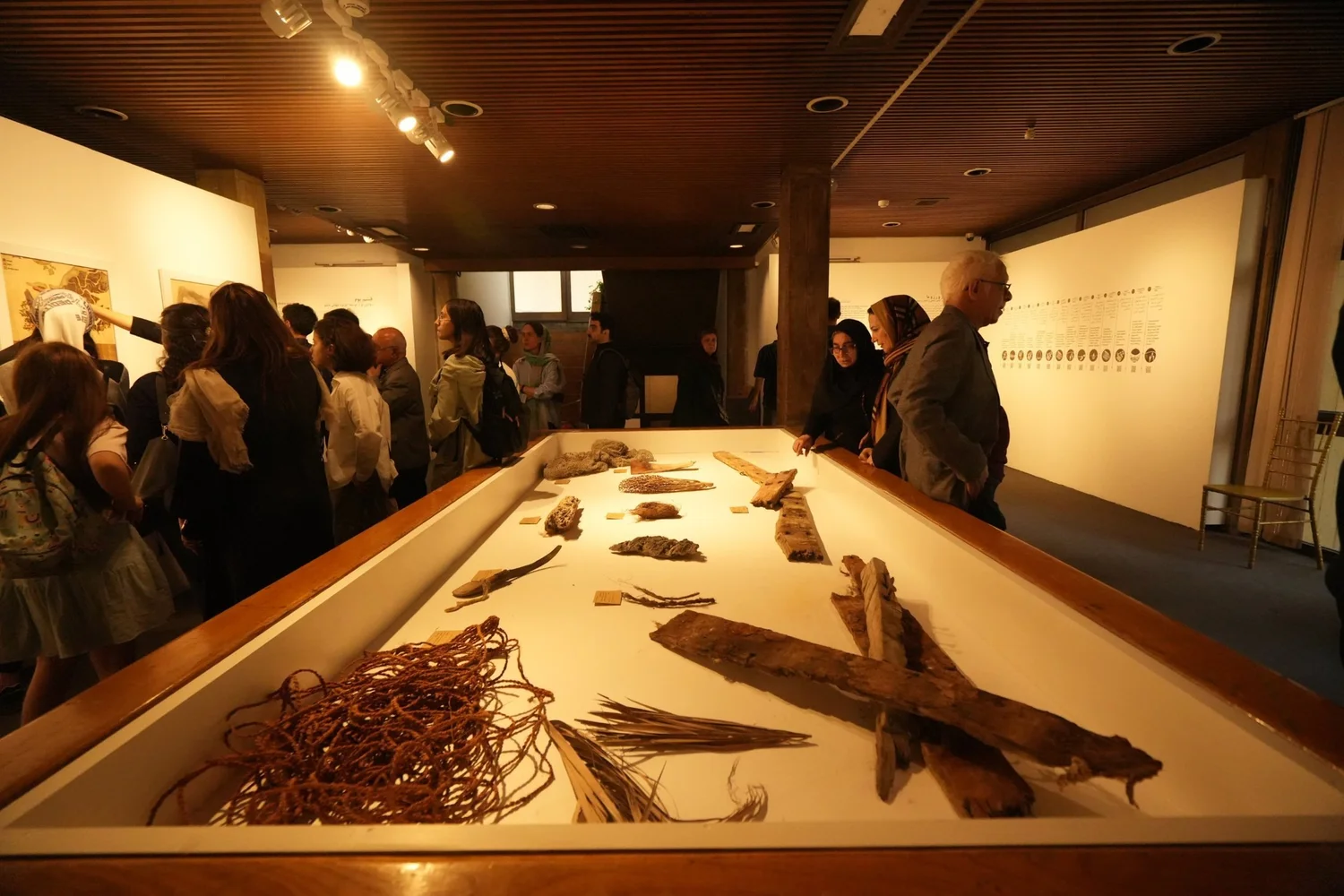
The exhibition follows these years as twelve moments on a timeline, from the project's launch in 2019 to the wooden boat now being built at the Gouron Open-Air Museum, with a film, drawings of the pavilion, the mangrove map and the materials themselves laid out on a long table: boat wood, rope, palm fronds and fishing net. It treats architecture as a medium for protection, collective learning and a different relationship with the natural world.
Credits