studio chahar
Simurgh
Museum of Ethnography, Stockholm, Sweden. December 2025. Permanent installation.
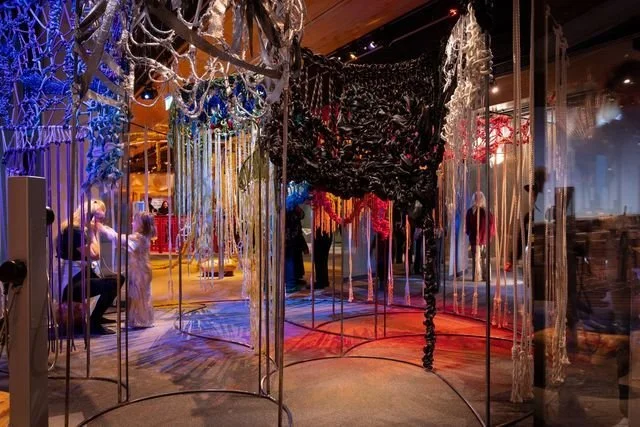
Simurgh in Sweden is a permanent children’s installation designed by Studio Chahar for the Museum of Ethnography in Stockholm. Inspired by Attar’s The Conference of the Birds, it reinterprets the poem’s seven valleys as a journey through color, texture, and reflection.
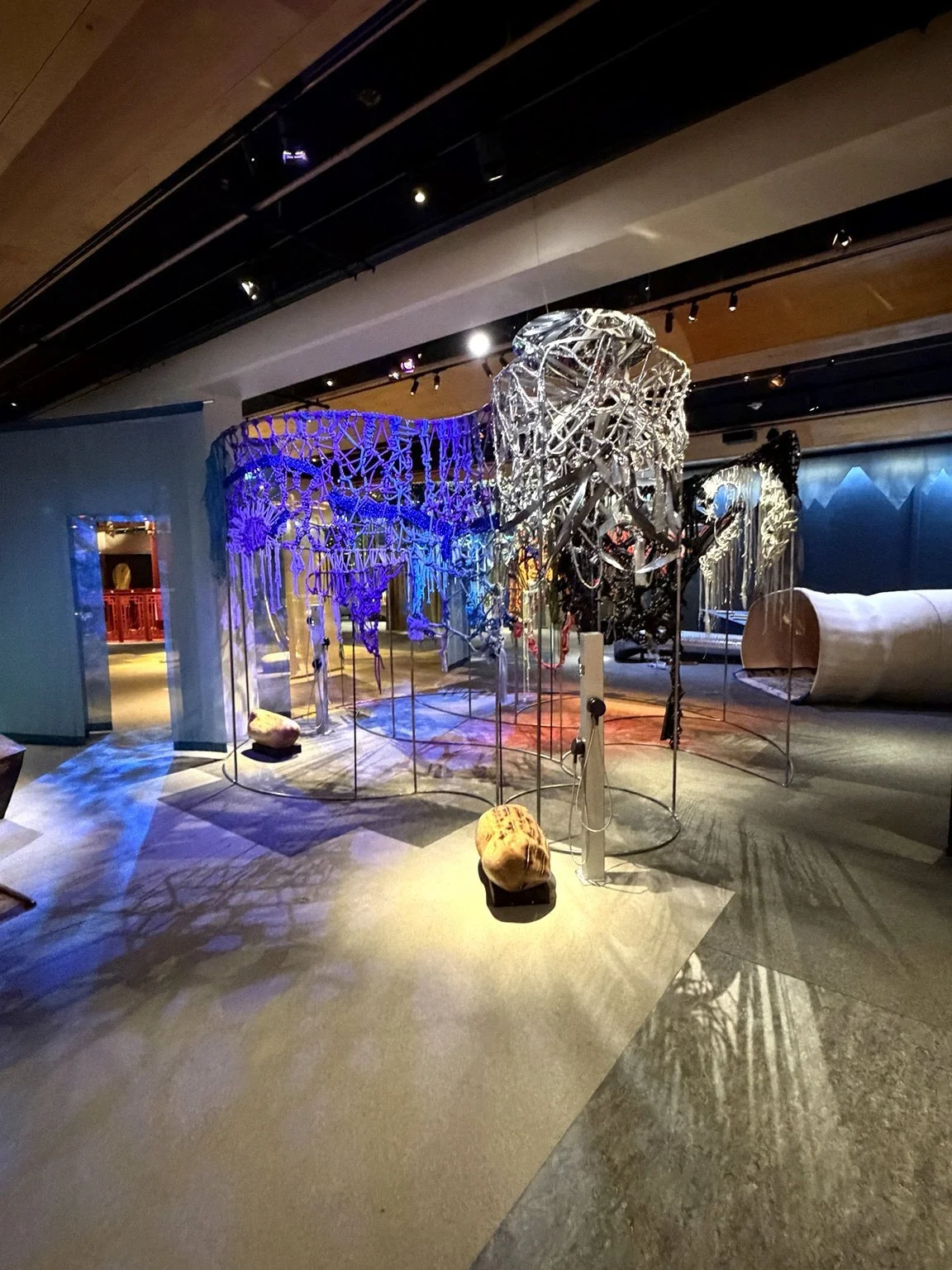
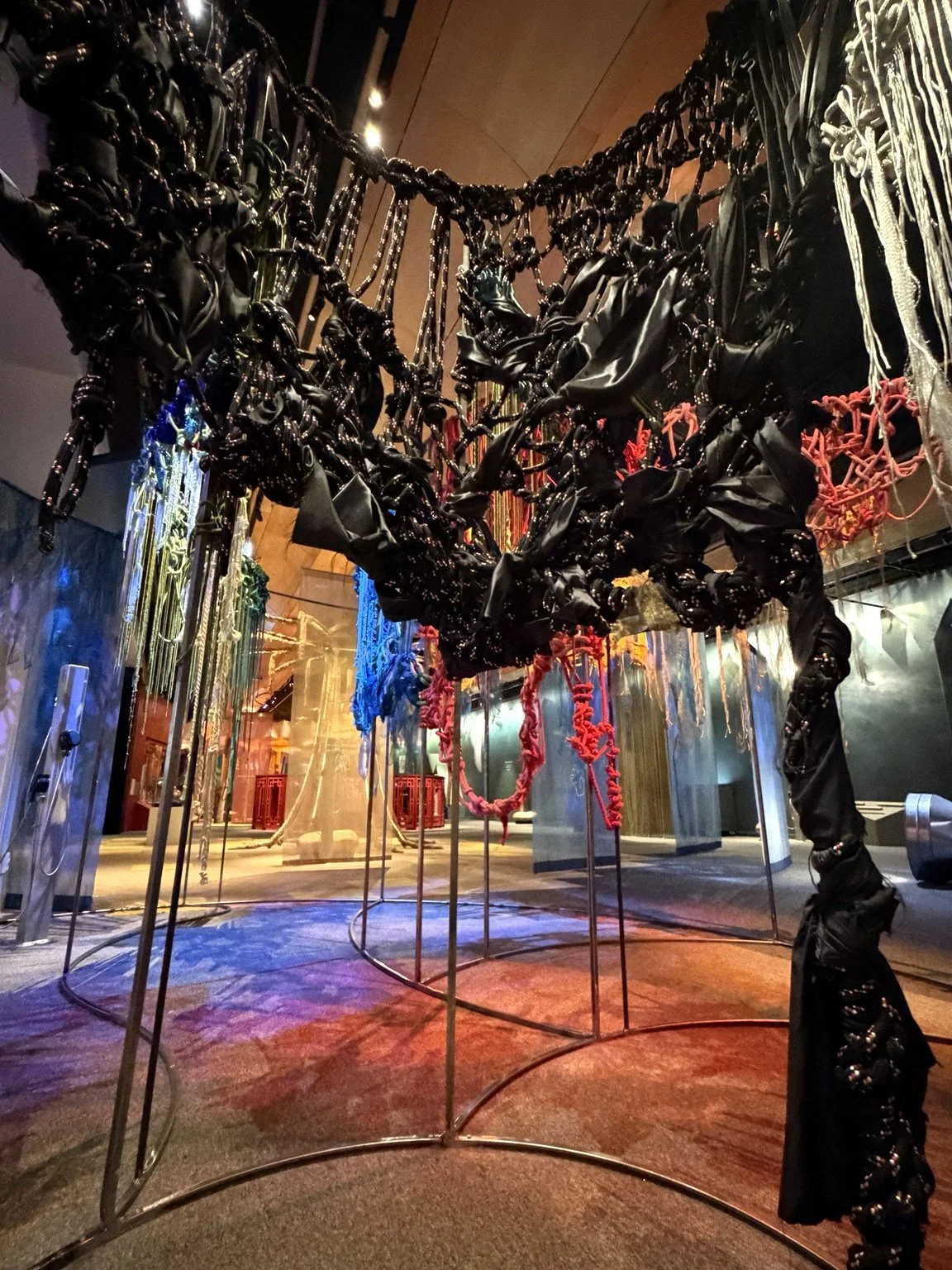
Rope, fabric, hanging threads, and sculptural forms invite children to explore through movement and touch. At its heart, a mirrored space echoes the birds’ discovery of themselves as the Simurgh, connecting Persian storytelling with a shared experience of play, belonging, and self-discovery.
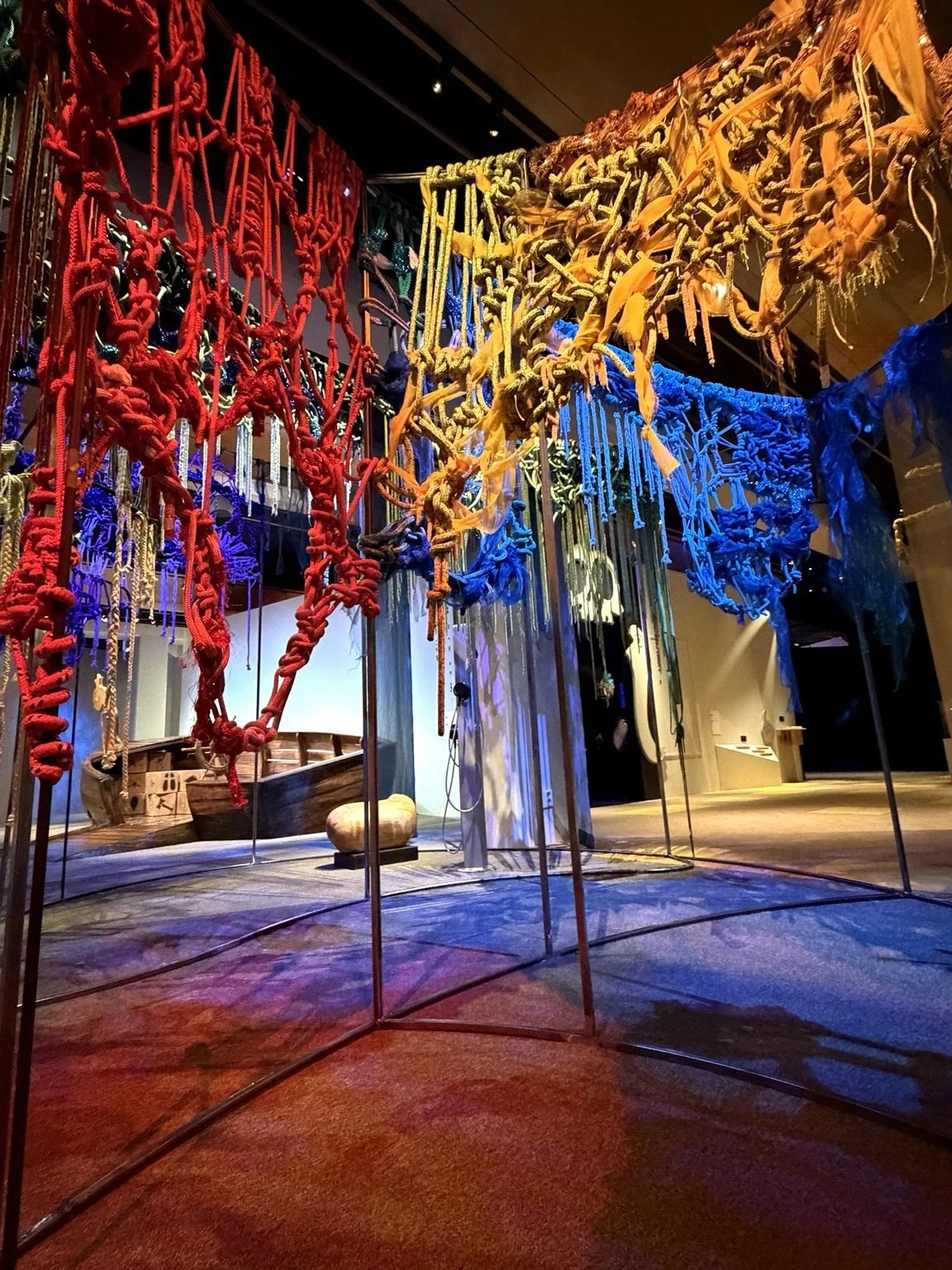
In Attar’s poem, thirty birds follow the hoopoe across seven valleys in search of their king, the Simurgh, and learn at the end that si morgh, “thirty birds”, is themselves. The installation takes the hoopoe’s shape. Curved walls, about five meters across and between 1.8 and 2.9 meters high, form a path through the bird’s body. It begins in a dark entry at the beak and passes through red, yellow, blue, green and purple valleys before it reaches a white chamber at the head.
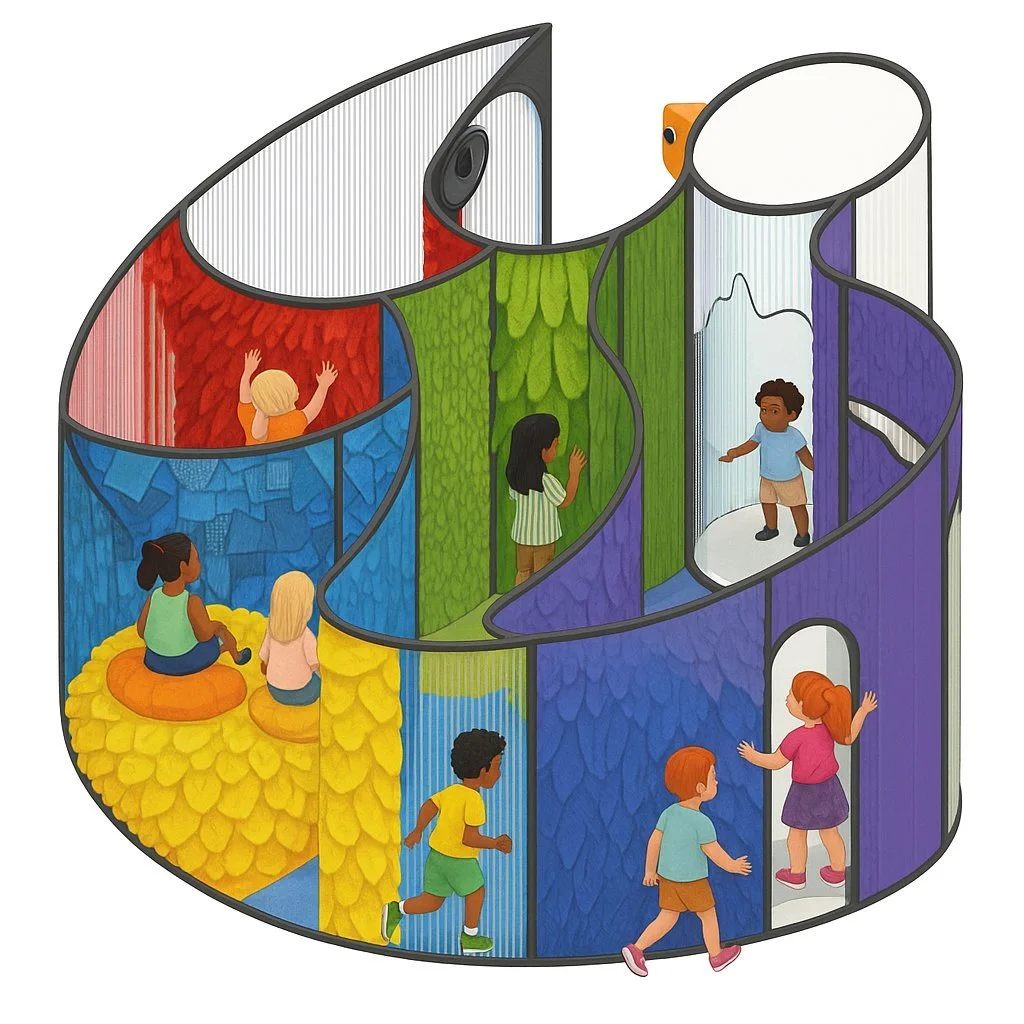
Each valley has its own color, texture and kind of play. The dark Valley of Quest asks for a first brave step. Love is warm and soft, with fabrics that sway like flames. Knowledge is yellow, with quiet corners for reading and listening. Detachment hangs strips that move like water. In Unity, green walls speak only when children touch or listen together.
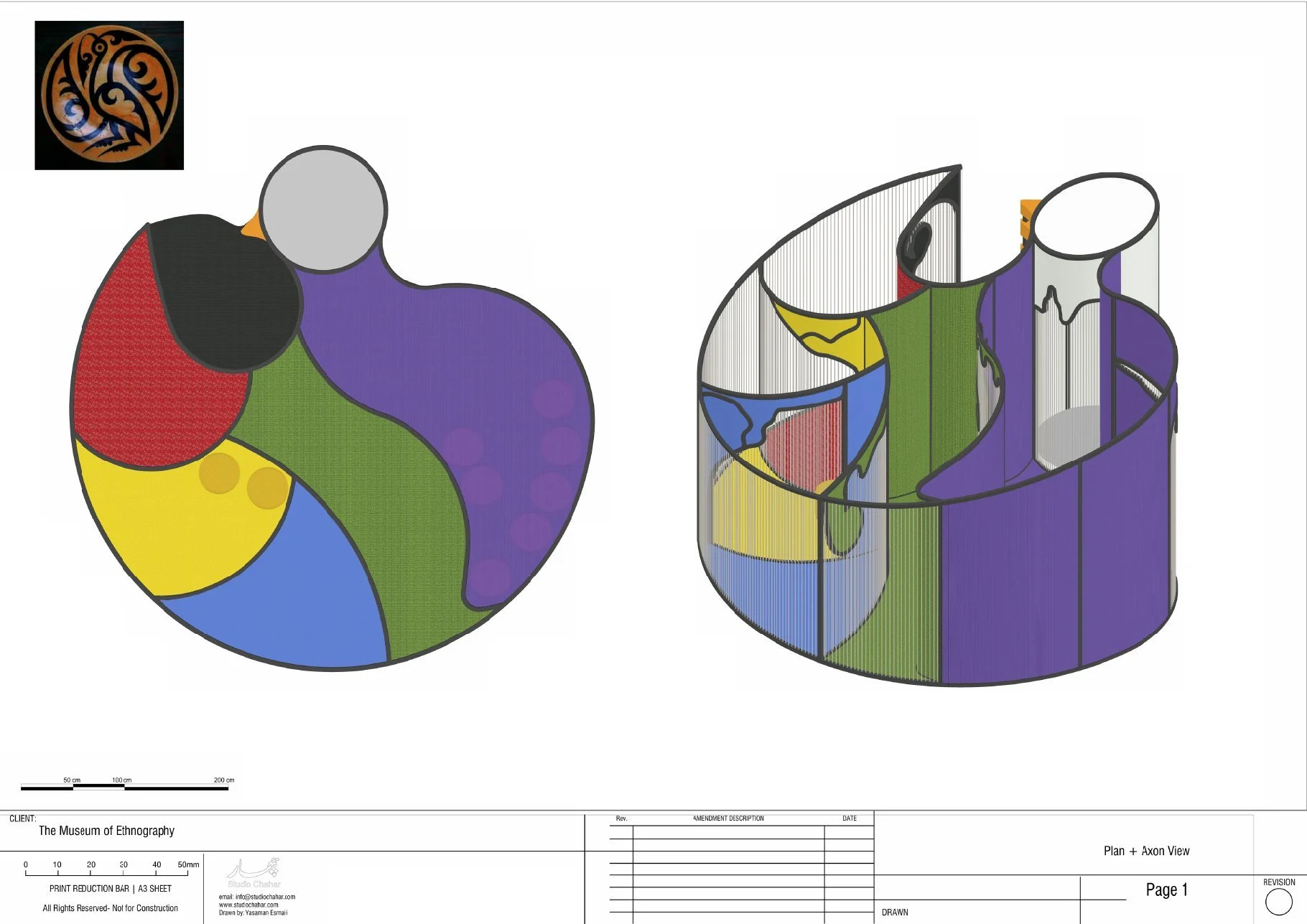
Wonderment is a calm purple pause. Annihilation is a mirrored white chamber where the children’s reflections merge with one another, and a final mirror shows them that they are the Simurgh. Seven birds accompany the journey, one for each valley: a hoopoe, red bulbuls, a yellow parrot, blue geese by the water, a green peacock, the falcon Homa and a white owl.

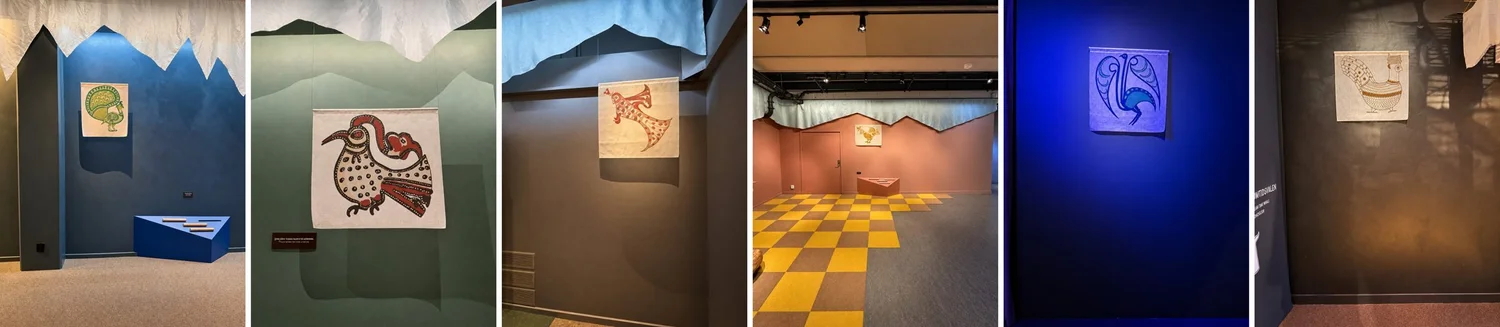
Yasaman Esmaili drew them from the birds painted on ancient Persian pottery, and printed on linen they hang in different rooms of the larger exhibition, each in the color of its valley, so that the oldest images of Persian birds guide a new generation through the poem. The installation is made of welded metal frames, hanging cords that children pass through, and knotted rope and fabric in the color of each valley. Fabric scraps and feathers cover the walls, and a game lets children create feathers of their own, so the work keeps growing as people visit.
Credits