
studio chahar
When Water Prevailed
Gouron, Qeshm Island, Iran. Research, 2022–2025.
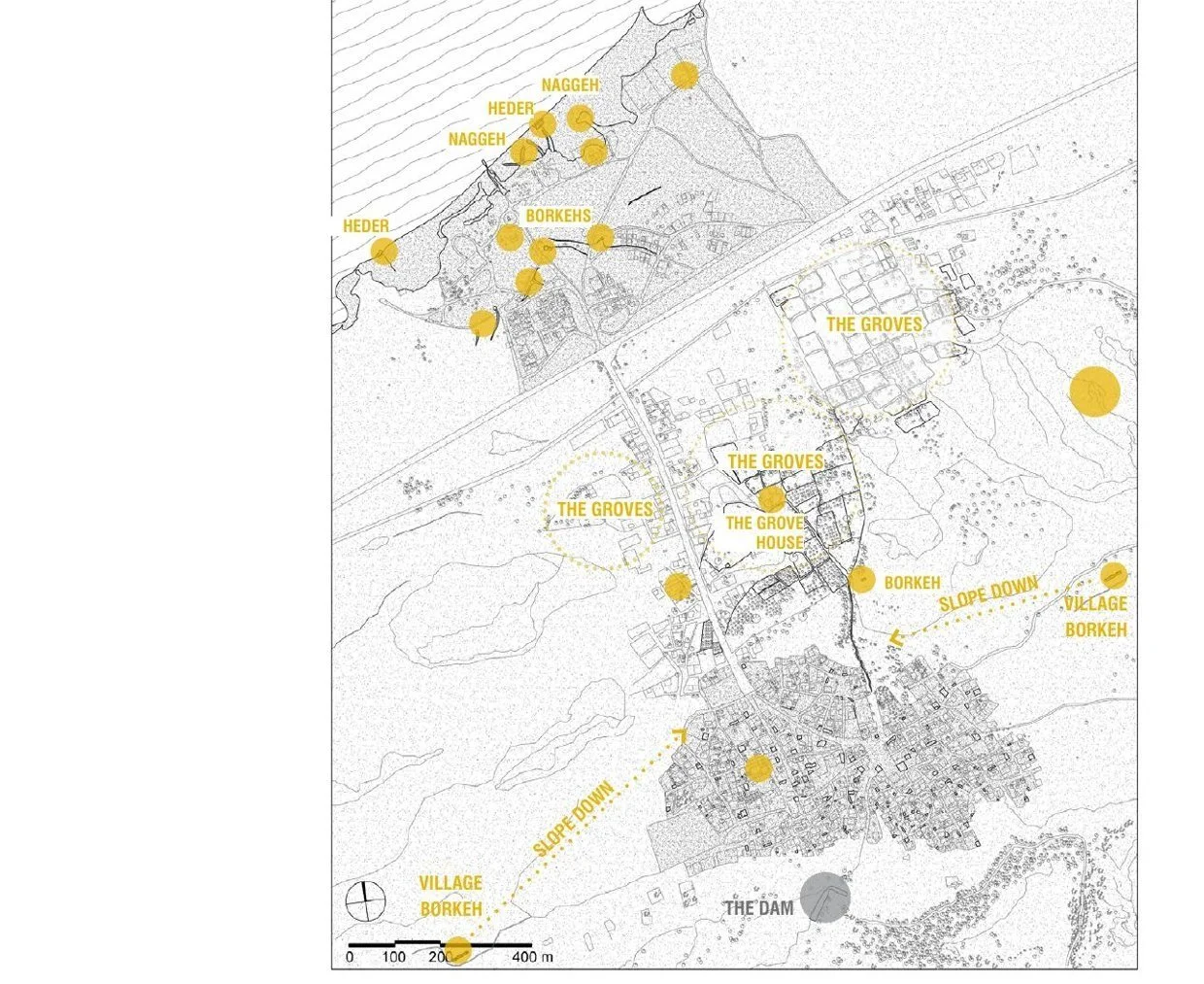
When Water Prevailed reconstructs the hydro-ecological spatial order of Gouron, a village of roughly 1,800 people on Iran’s Qeshm Island, whose settlement pattern is shared by many coastal villages across the region.
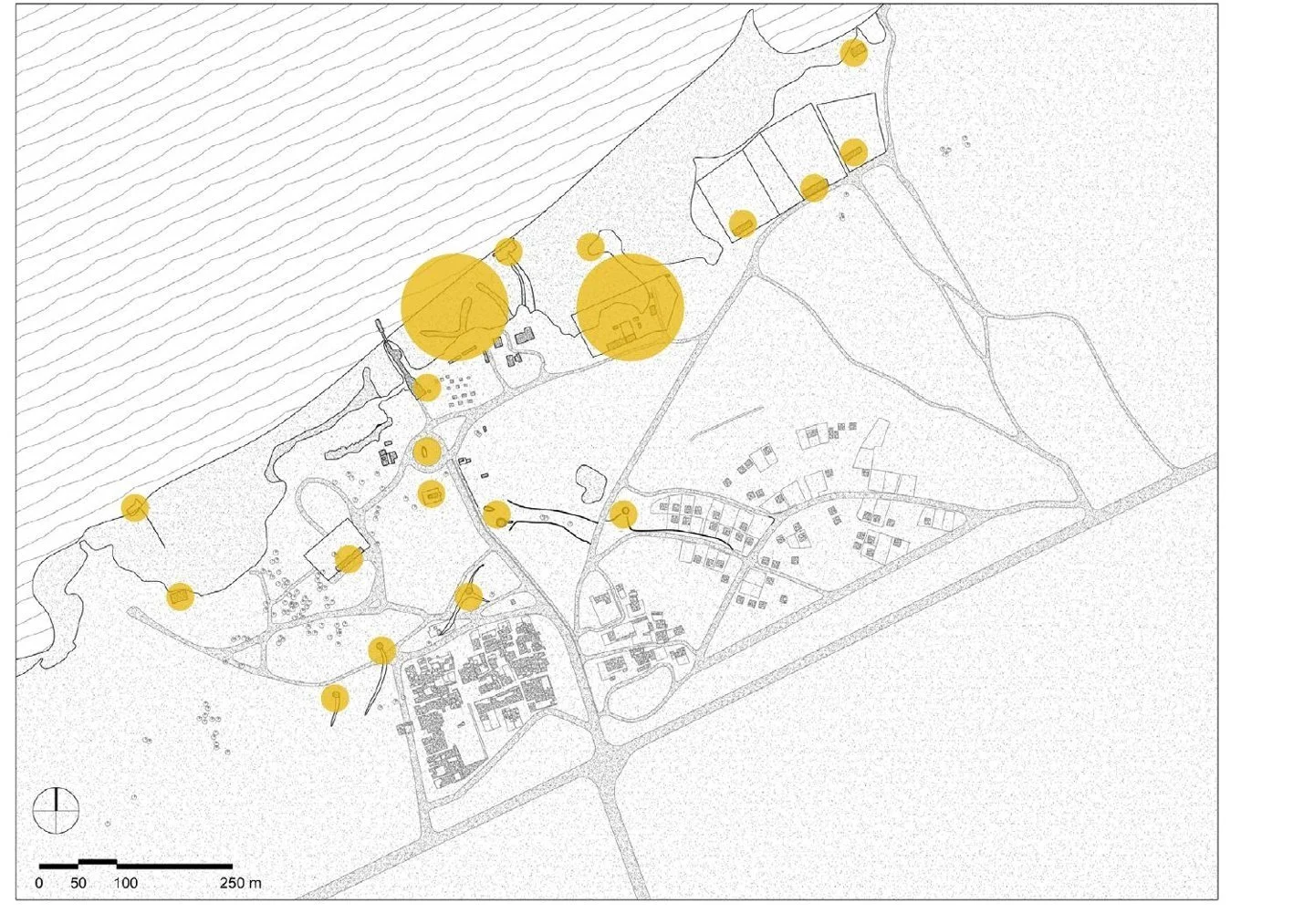
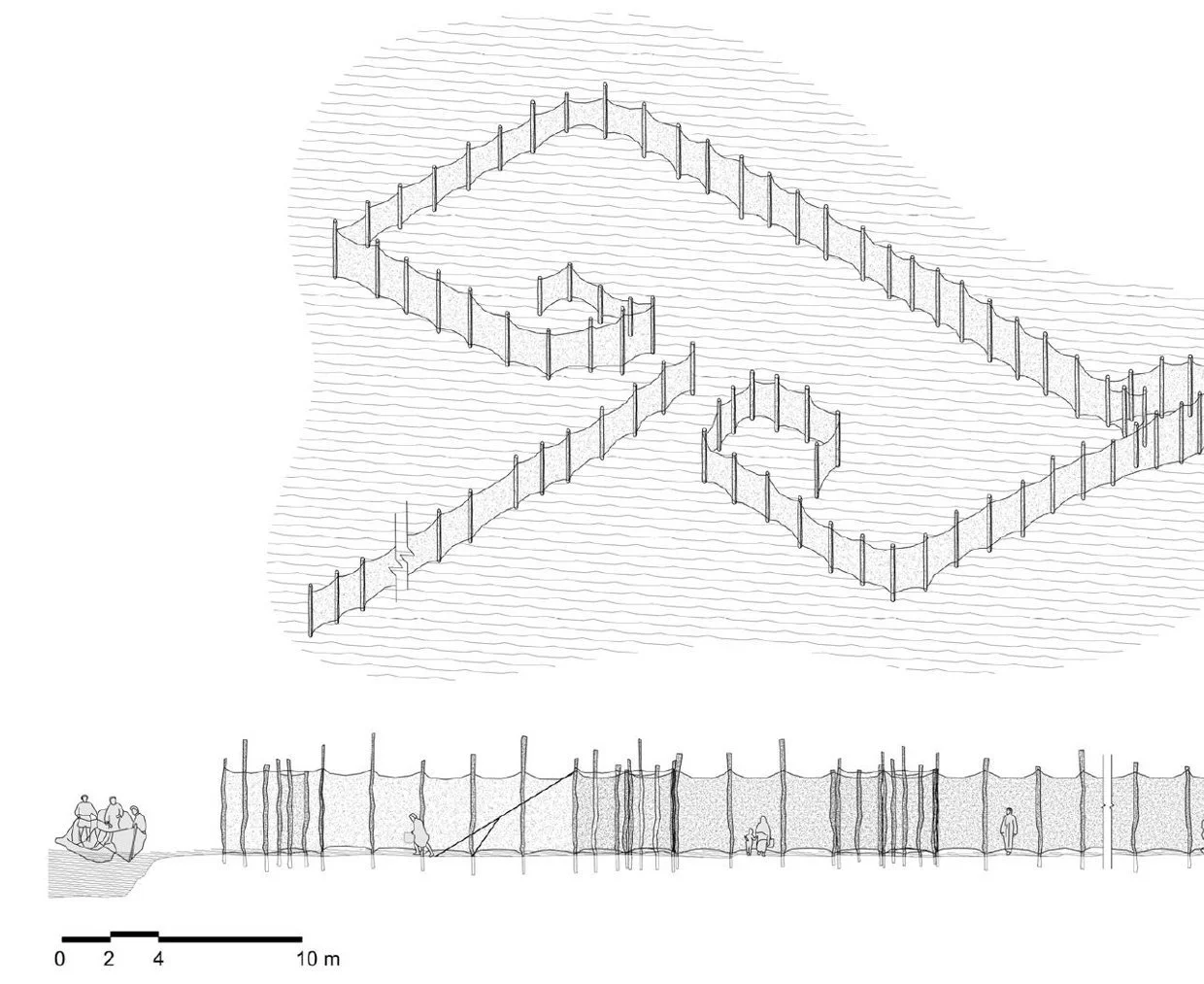
For centuries, rain-fed reservoirs, stone-lined wells, palm-grove microclimates, and watershed-led settlement planning that routed mountain runoff through the village formed a single, coordinated system. It balanced scarcity with care, synchronizing dwellings, groves, and daily economic life with cycles of rain, flow, and drought.
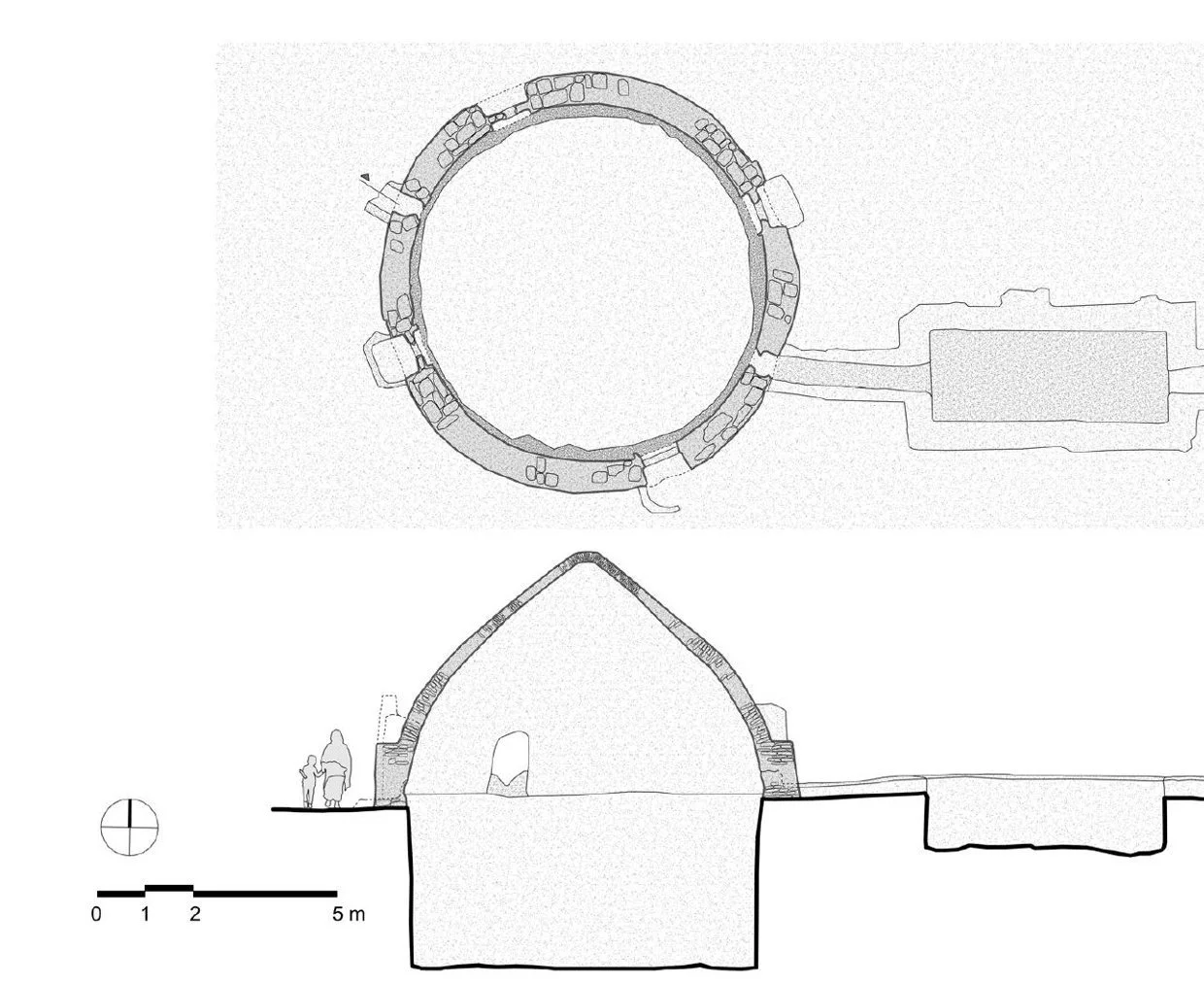
That system is now being erased. Unregulated construction and context-blind policy have severed the links that once made it work, leaving architectural typologies in ruin and the crafts that sustained them close to disappearance.
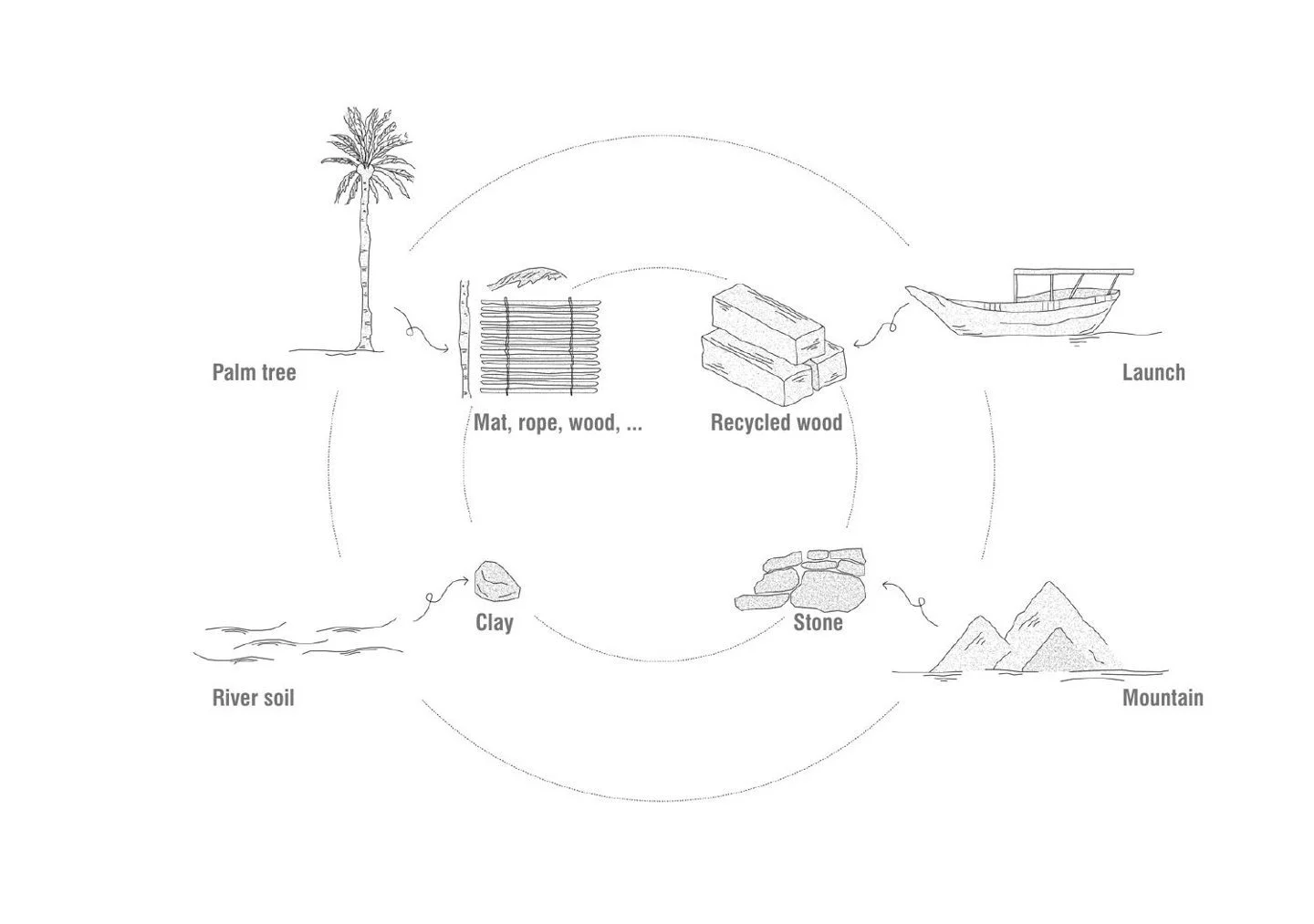
Yet in Gouron the traces are still legible, and some remain operational: potable water is still captured from rainfall and stored communally. The village survives on these systems even as they deteriorate and are replaced at speed. This is a rare setting where a working past and its unraveling are visible at the same time.
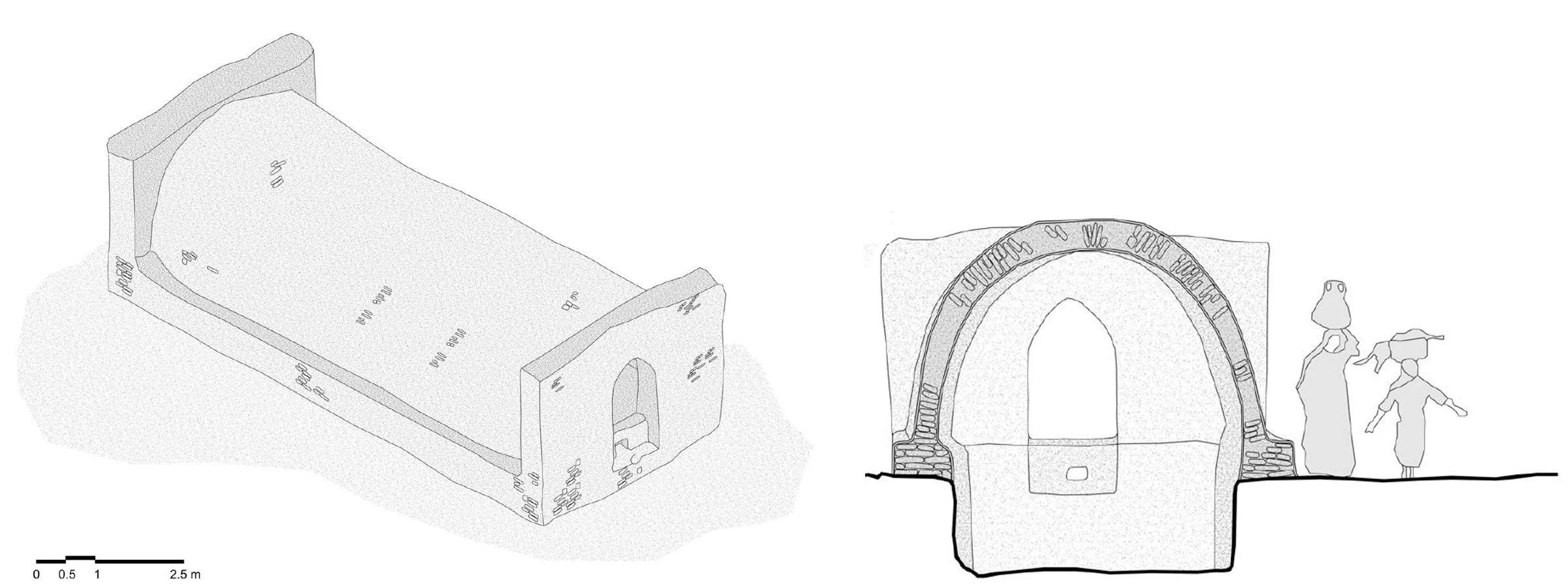
The research reads those traces precisely, through analytical drawing, typological analysis, and oral accounts gathered over a two-year field study (2022–2025), and translates them into design intelligence that can be tested today. It argues that the reasoning behind these systems, not merely their forms, is what deserves to be recovered. The central provocation is simple and urgent: what if planning and design began with water?
Credits