
studio chahar
Sangelaj Urban Waste Workshop
Sangelaj, Tehran, Iran. March 2024. Workshop.
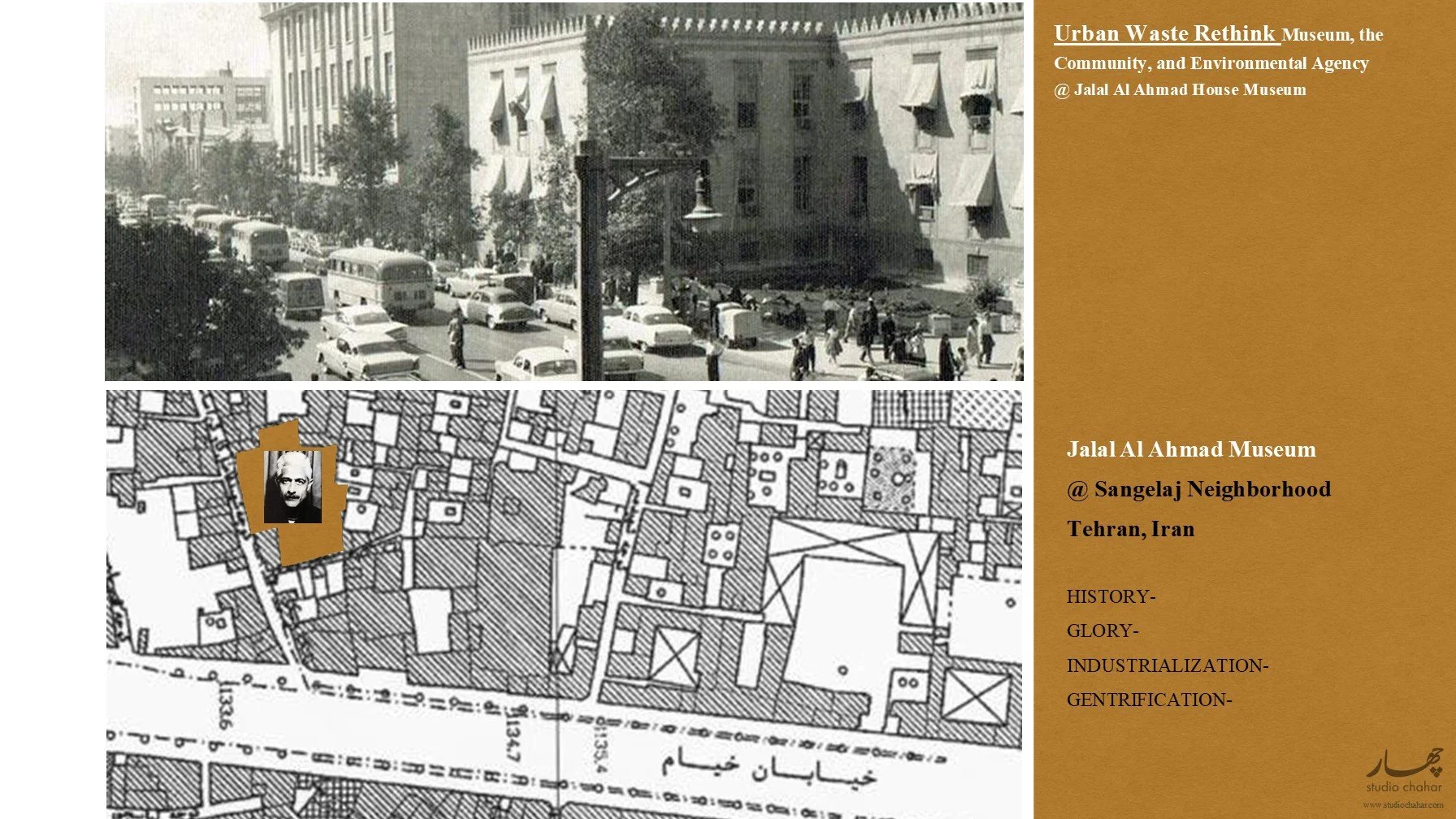
The Urban Waste Workshop, held in March 2024 in the historic Sangelaj neighborhood of Tehran, brought together 30 participants, among them architects, artists, environmentalists, municipal staff and local residents (shopkeepers, youth, women and people struggling with addiction), for two days of hands-on intervention. Organized around the Jalal Al-e Ahmad house, a future house museum, it addressed the environmental problem caused by shoe production waste, a long-standing issue in this area near Tehran’s Grand Bazaar.
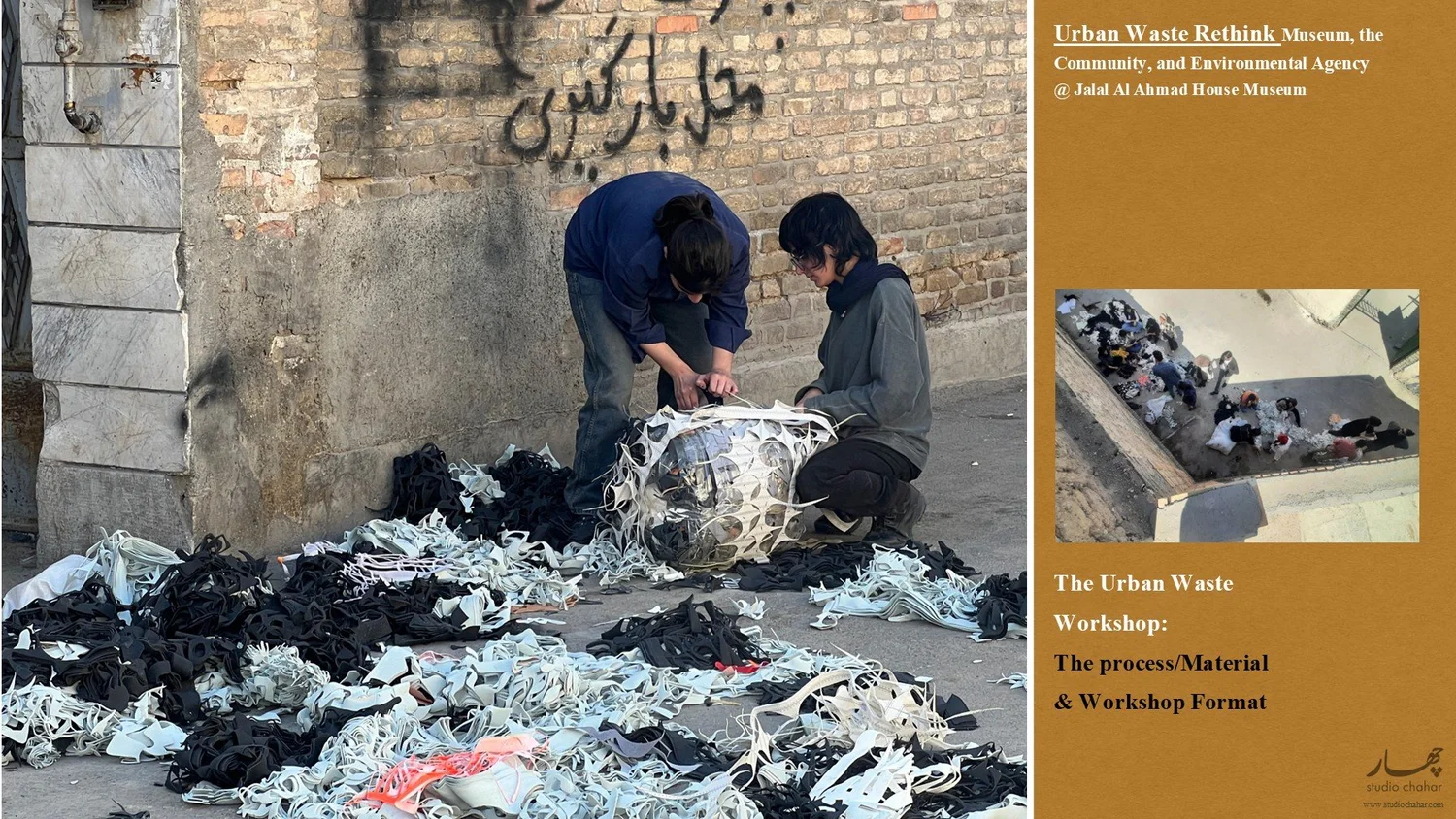
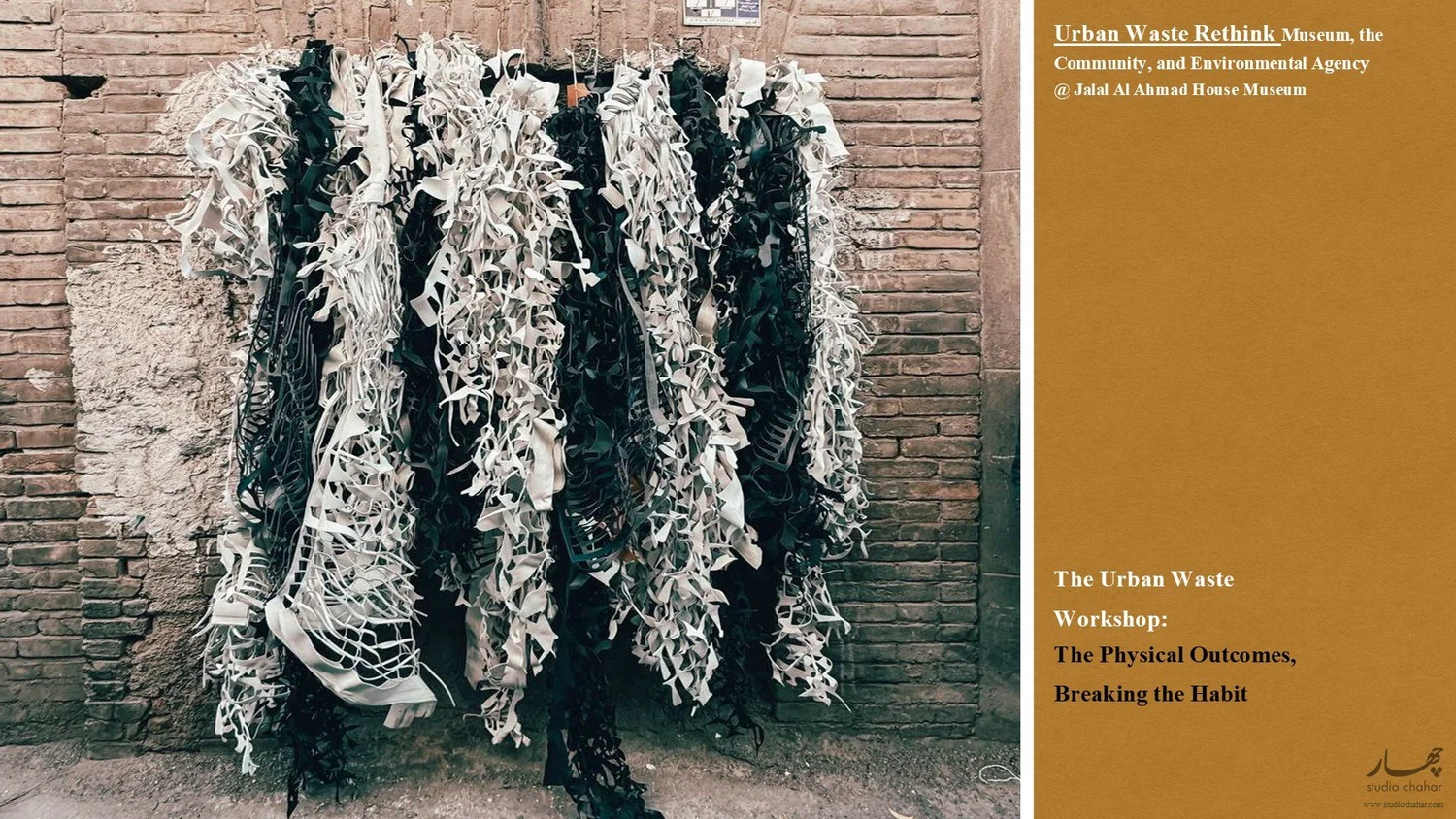
Participants studied the historical fabric of Sangelaj and transformed discarded shoe materials into public art and spatial installations. The first day focused on material exploration, cultural context and ideas, and the second on fabrication and installation in public space. The results included benches, sculptural lighting and textile-inspired installations that revived neglected alleys and fostered neighborhood pride.
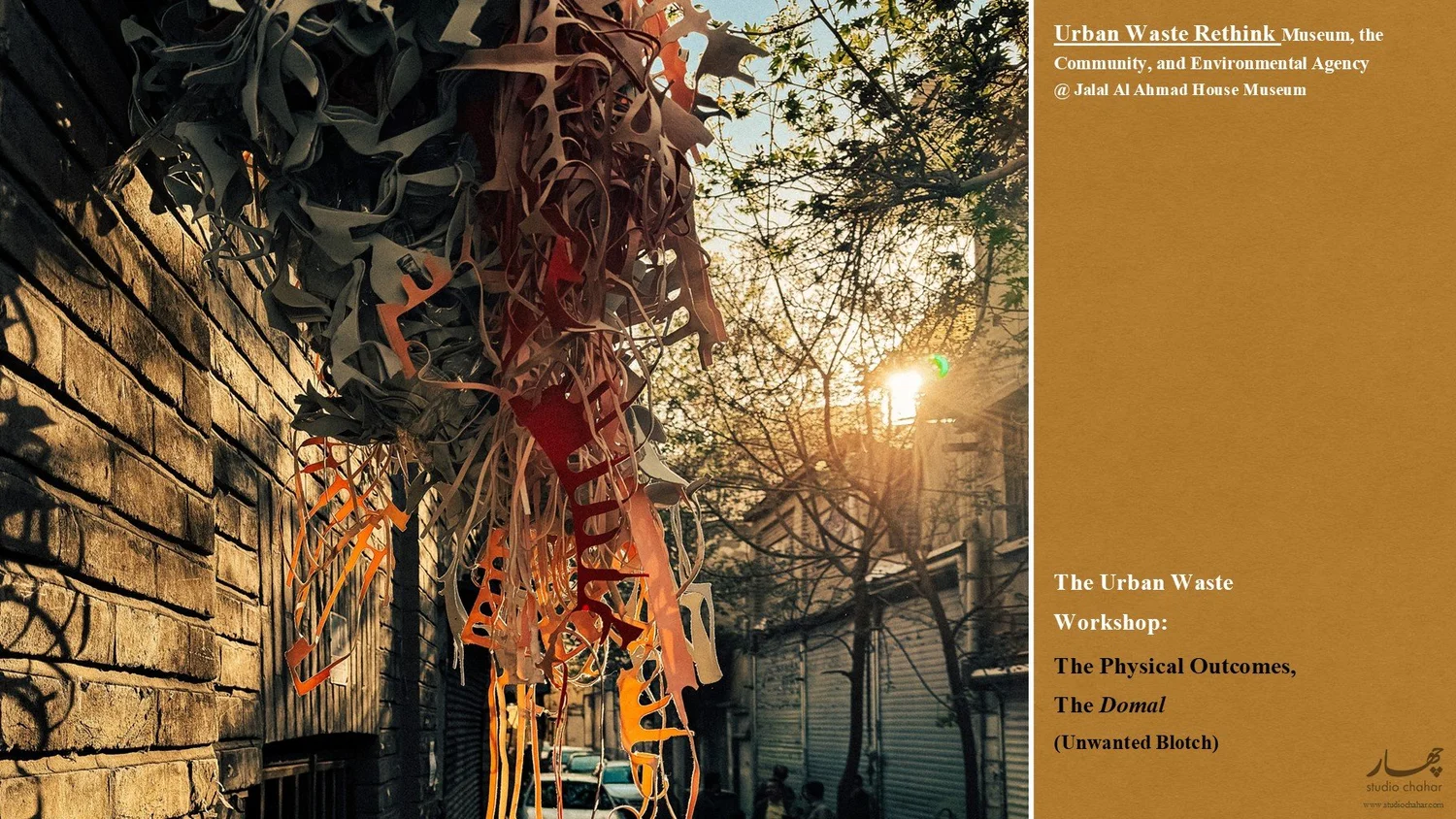
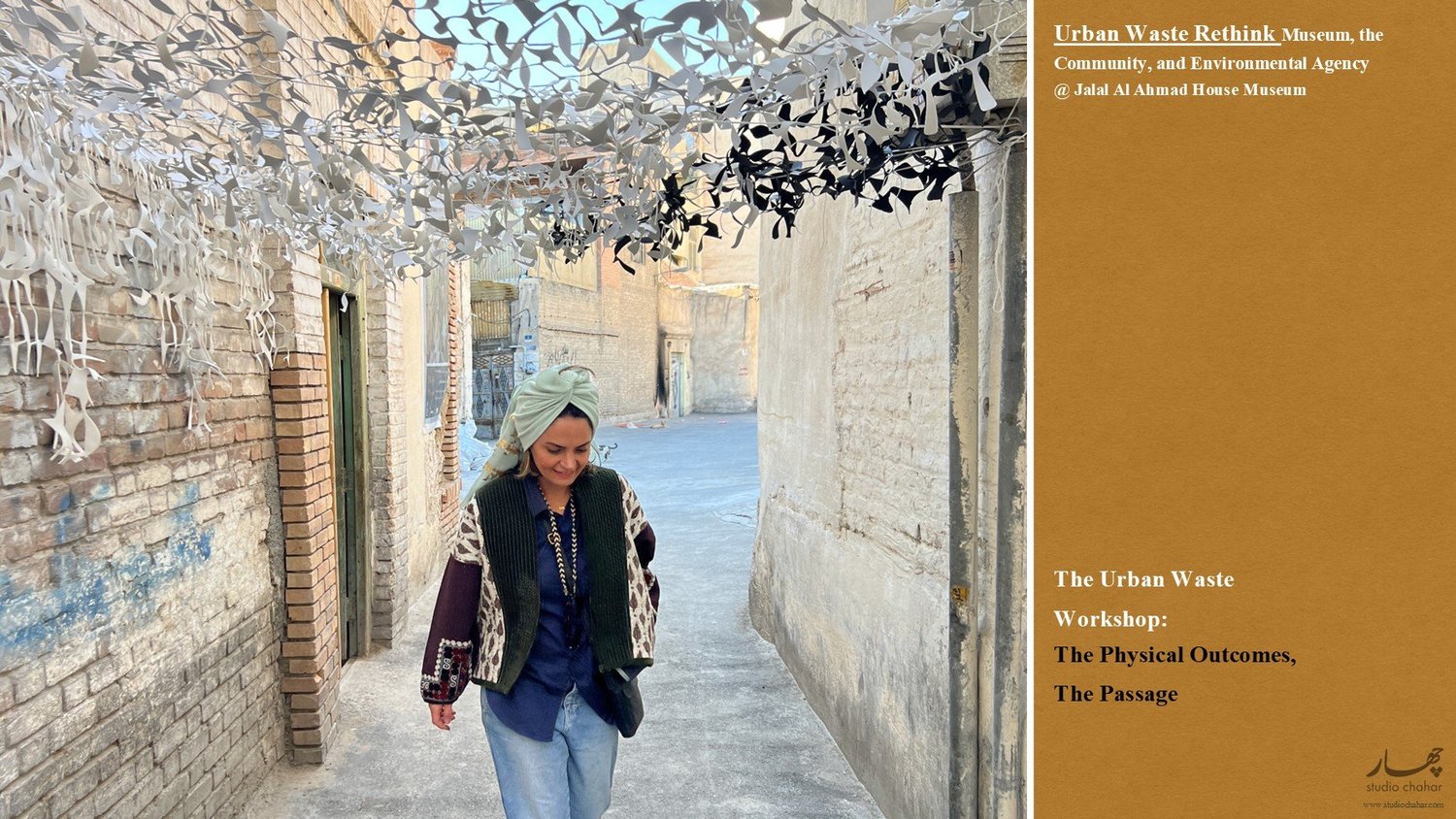
Follow-up showed that the waste problem in this part of the neighborhood was fully resolved in the weeks after the workshop. Shoemakers changed their disposal habits, the municipality increased its cleanup, and even people who had contributed to the waste began to maintain the area.
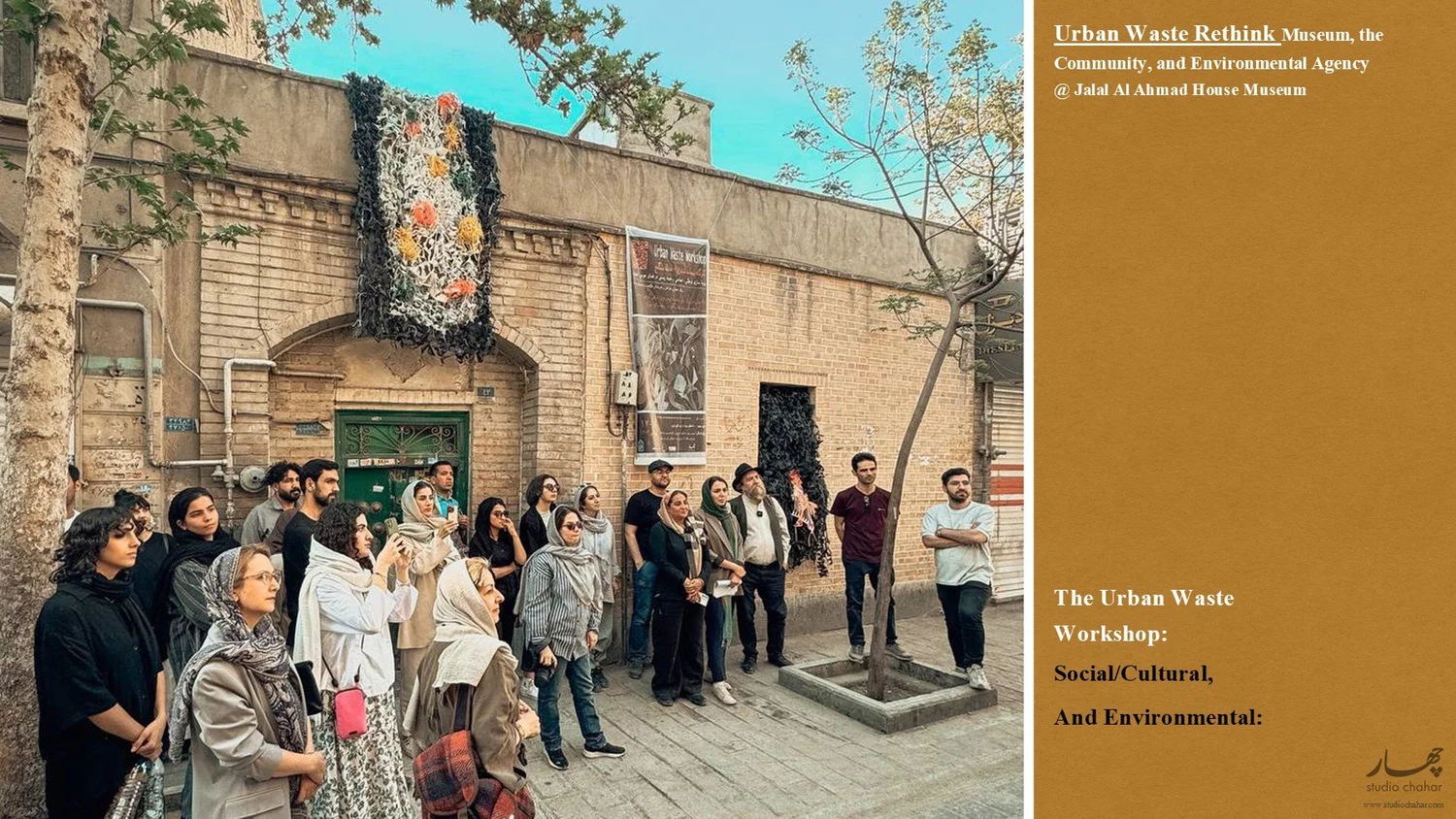
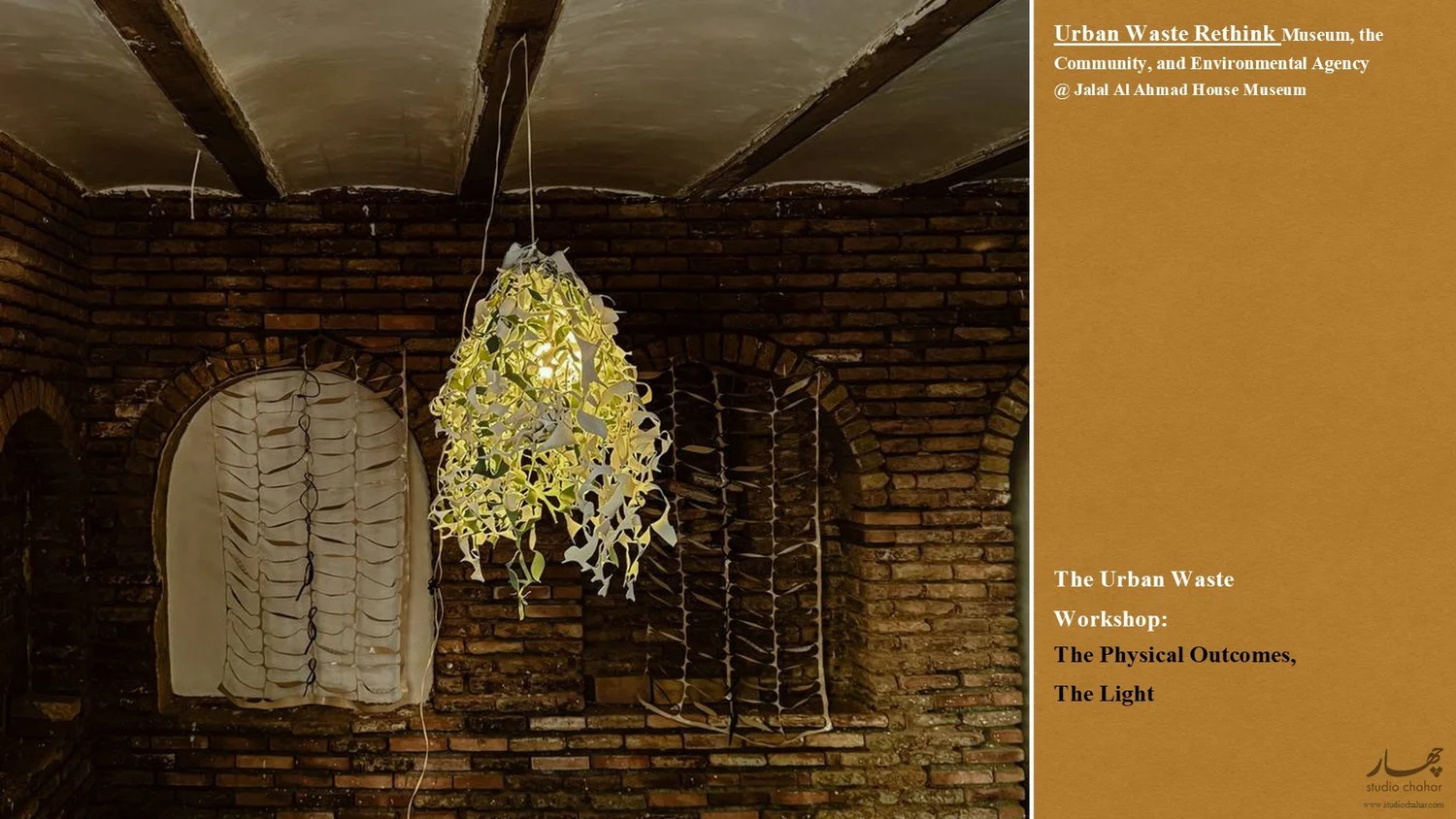
The workshop blends environmental action, cultural memory and grassroots design. The Jalal house became more than a museum: it was activated as a civic platform that connects the past with urgent urban challenges, a model for cities that want to use waste as a resource and culture as a catalyst for inclusive urban regeneration.
Credits