
studio chahar
Sarzurzuma Mangrove Forest
Qeshm Island, Iran. Since 2019. Community-based environmental intervention.
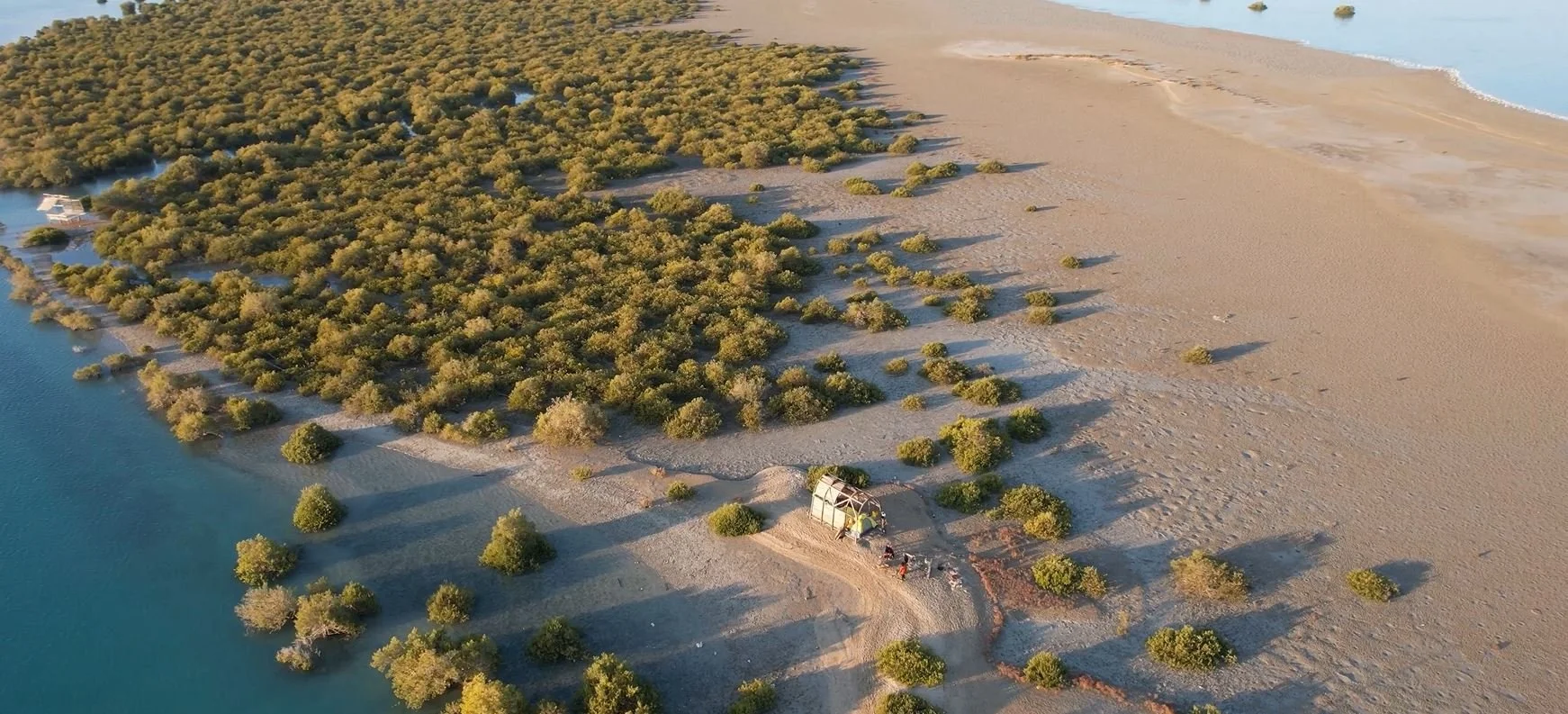
Reforestation is one of the most effective and economical methods to promote biodiversity and combat global warming. Mangrove forests absorb three to five times more carbon than typical tropical rain forests, and their swamps provide a habitat for numerous endangered species.
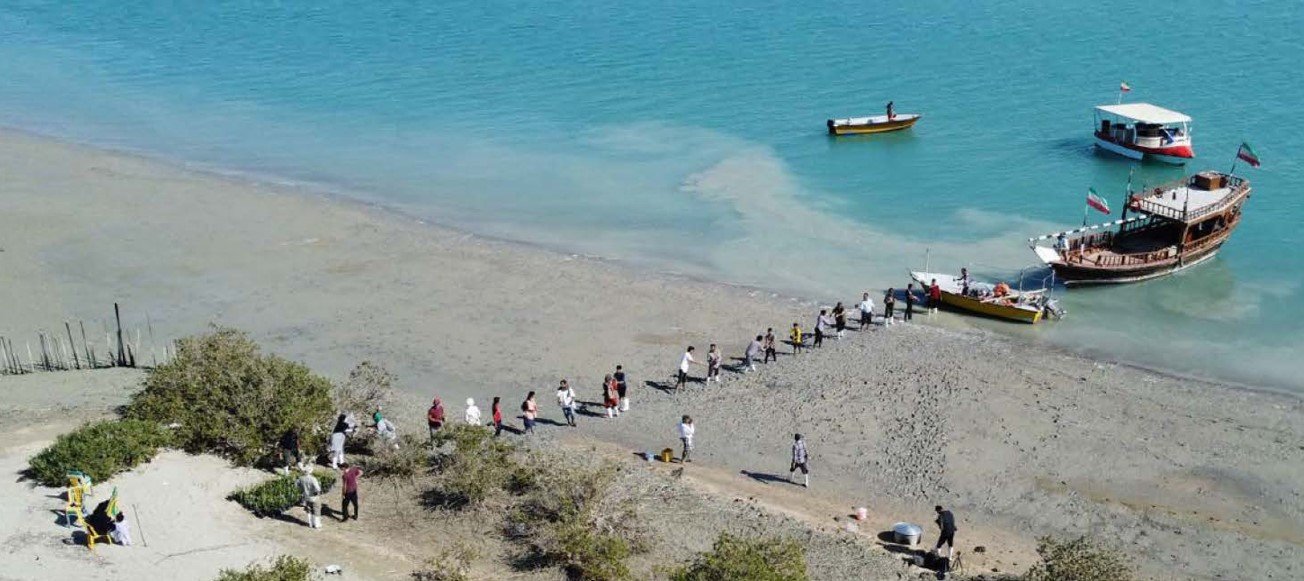
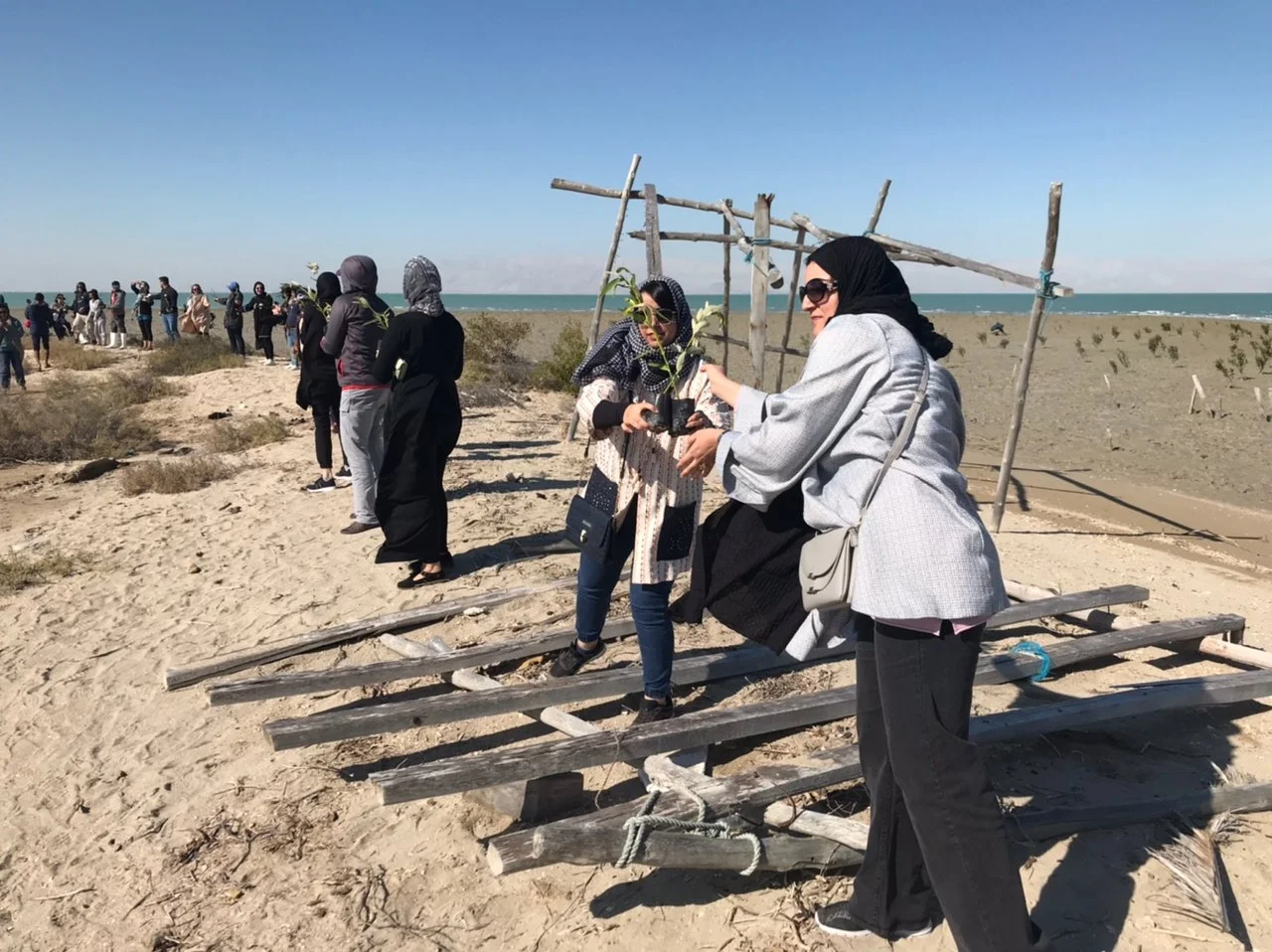
Mangroves also grow in seawater, so they need none of the limited freshwater that other plants require. Unfortunately, these habitats face constant erosion because of human activities.
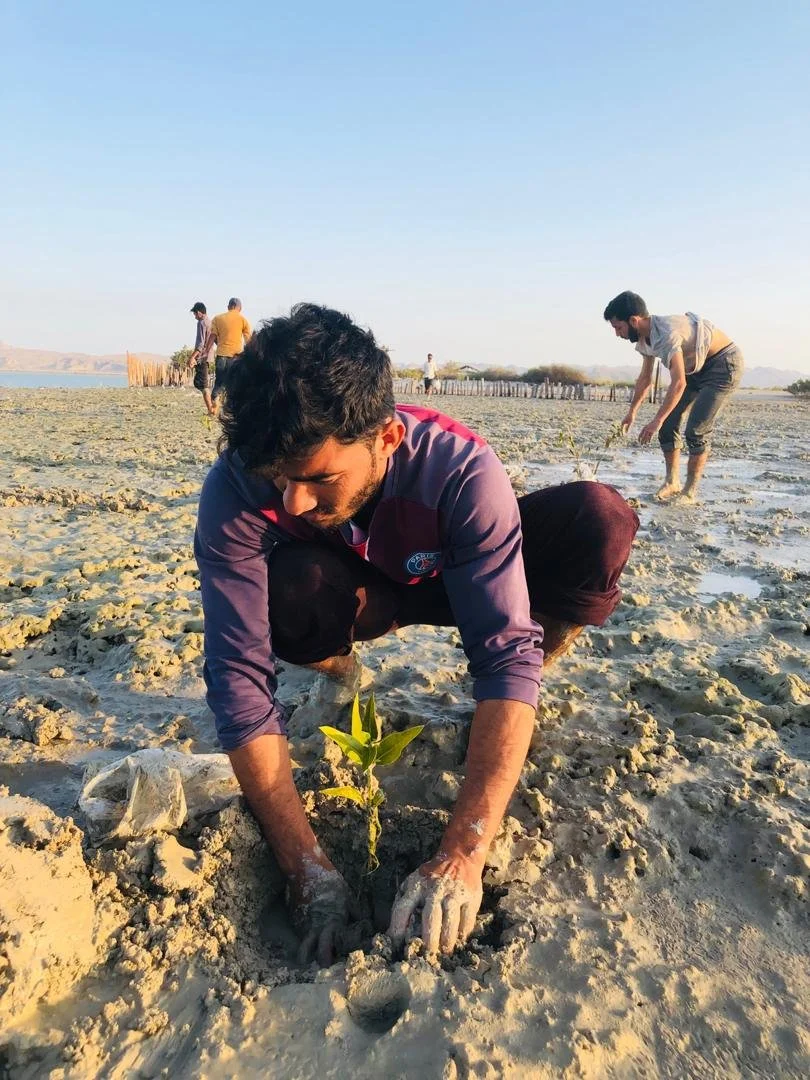
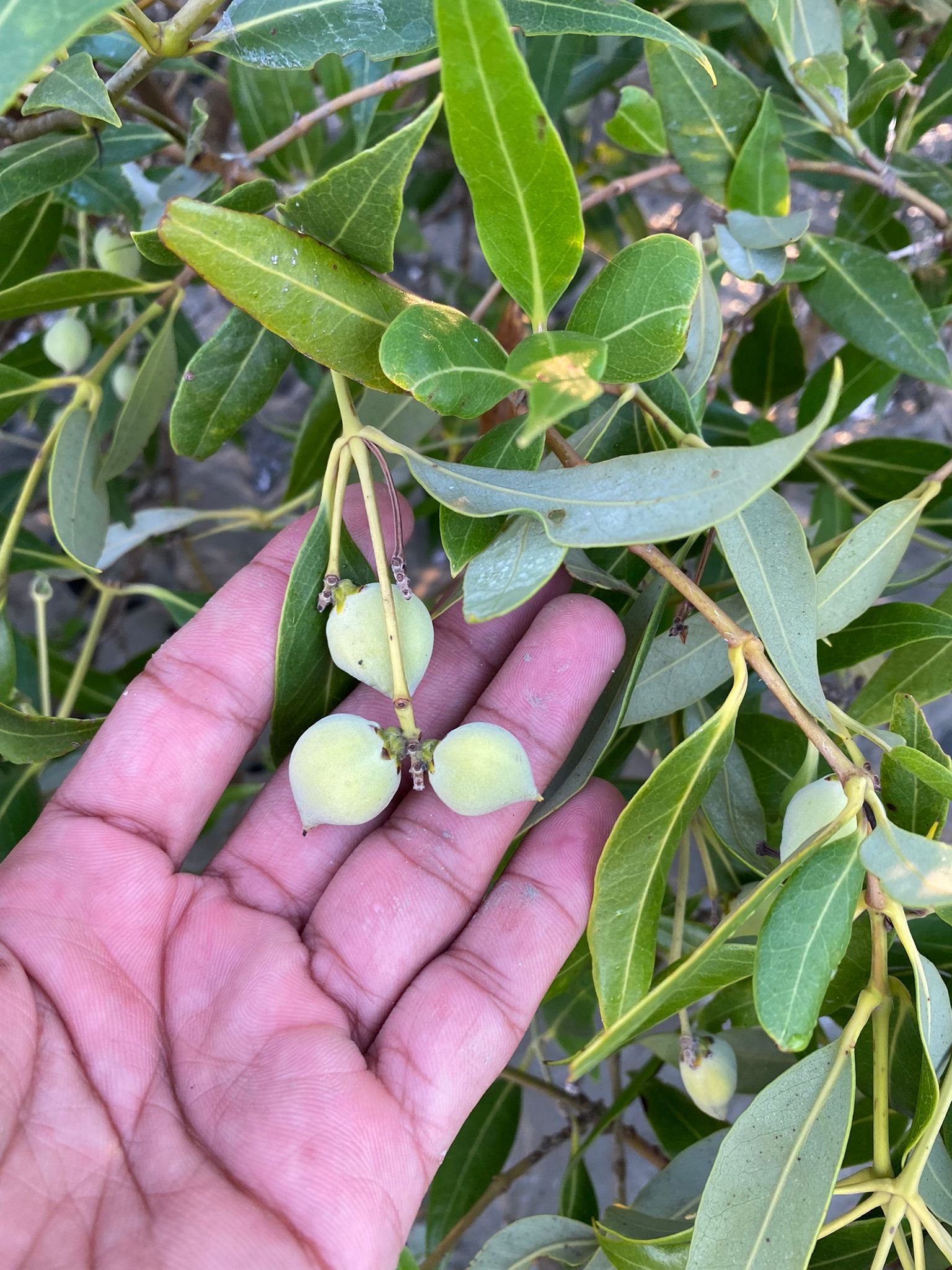
Iran is home to the Hara Mangrove Forest, a UNESCO-designated Biosphere Reserve. Since 2019, in collaboration with the Gouron Rural Cooperative on Qeshm Island, Studio Chahar has developed community-based architectural strategies to combat erosion along the shoreline of the forest, at the Sarzurzuma reef near the village of Gouron. The Hara trees act as storm barriers, filter pollutants and provide a unique habitat for local plants, birds and sea life.
Studio Chahar was first approached by the cooperative to design tourist pavilions. The village relies on the reef as an economic resource, with daily visits and stays by tourists, but the accommodations were not stable enough for long-term use, and more reliable campgrounds built from materials like concrete harmed the natural environment.

Responsible tourism planning was needed because the mangrove ecosystem is so sensitive. After site visits and discussions with community members, we found that the reef was eroding rapidly because of boat disturbance and rising sea levels, and addressing erosion became the focus of the project. Our first strategy, beach fencing and natural debris bags, worked in a prototype area but proved less viable with limited resources.
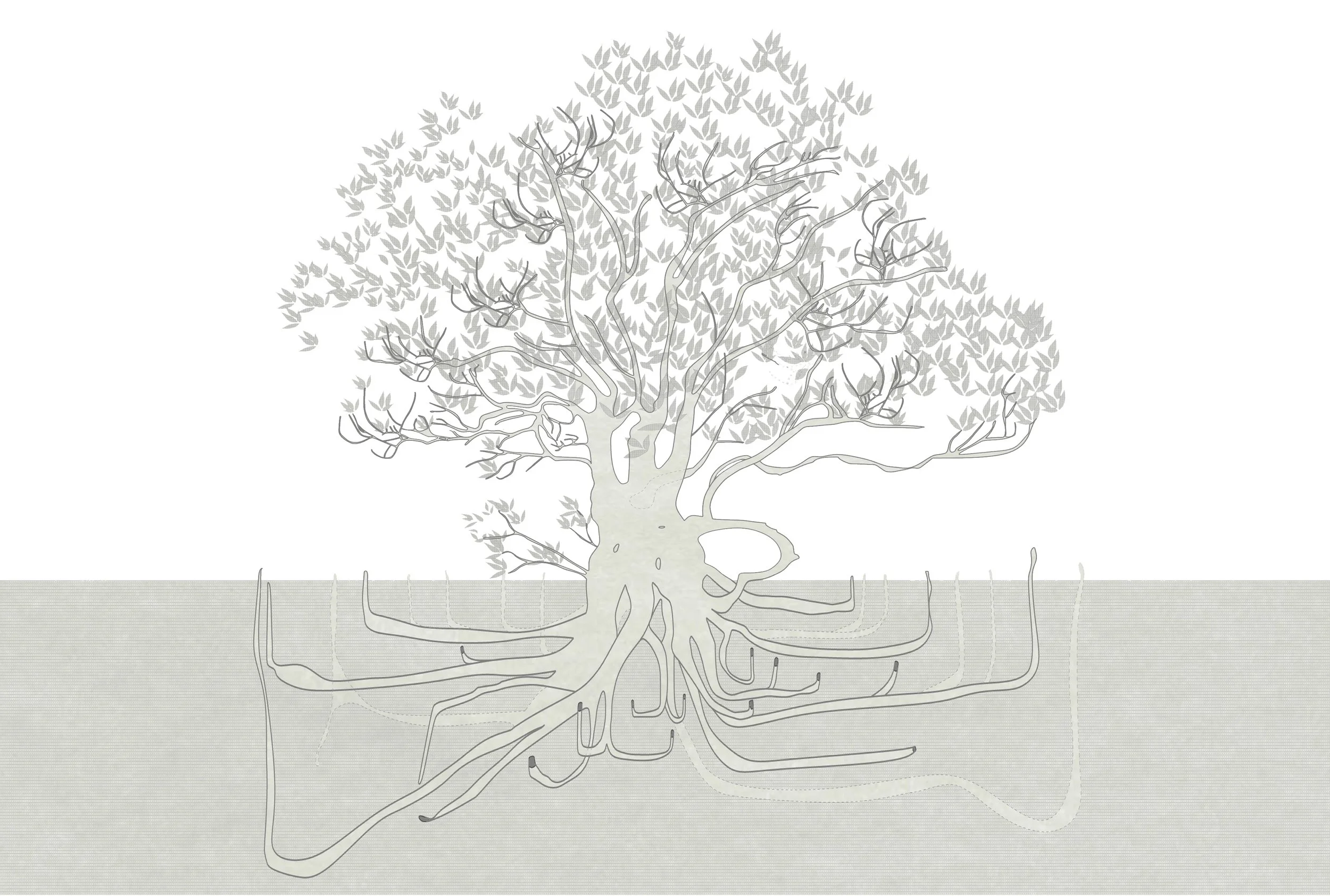
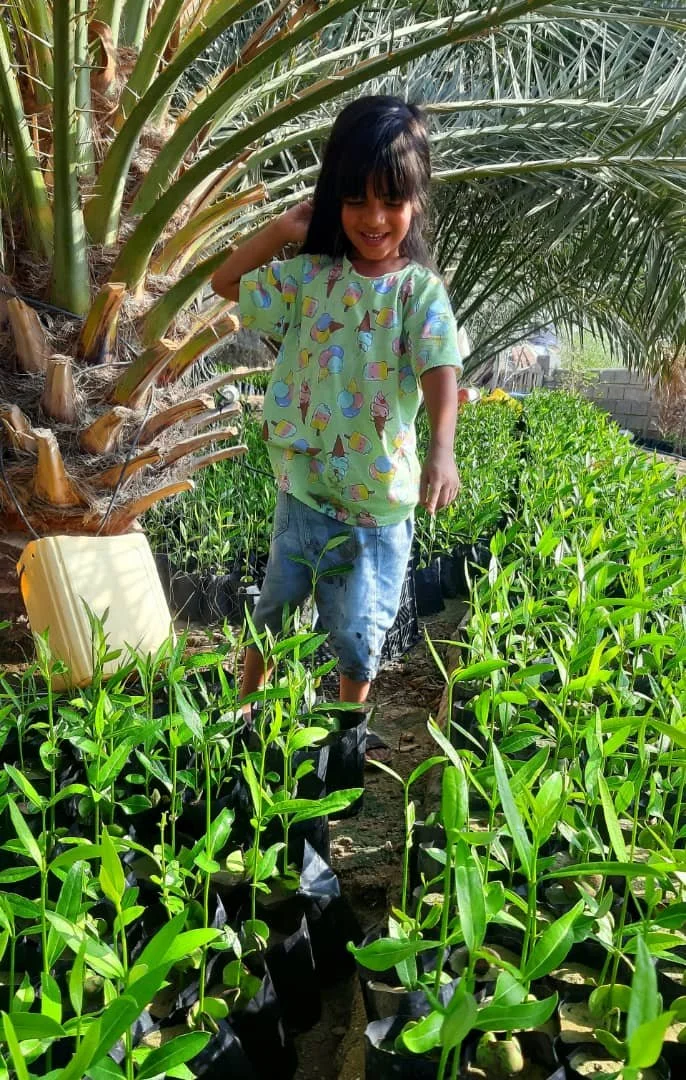
The roots of Hara plants stabilize the sand, so a more affordable strategy was planting new trees where the forest had been destroyed. Since then more than 80,000 new trees have been grown and planted with the help of Gouron’s youth, community members and volunteers. The village youth cultivate the seedlings and take part in the whole planting cycle.
Credits